PROJECTS
RAPIDPRESS INSTALLATION FOR A PRINTING FACILITY
RAPIDPRESS INSTALLATION FOR A PRINTING FACILITY

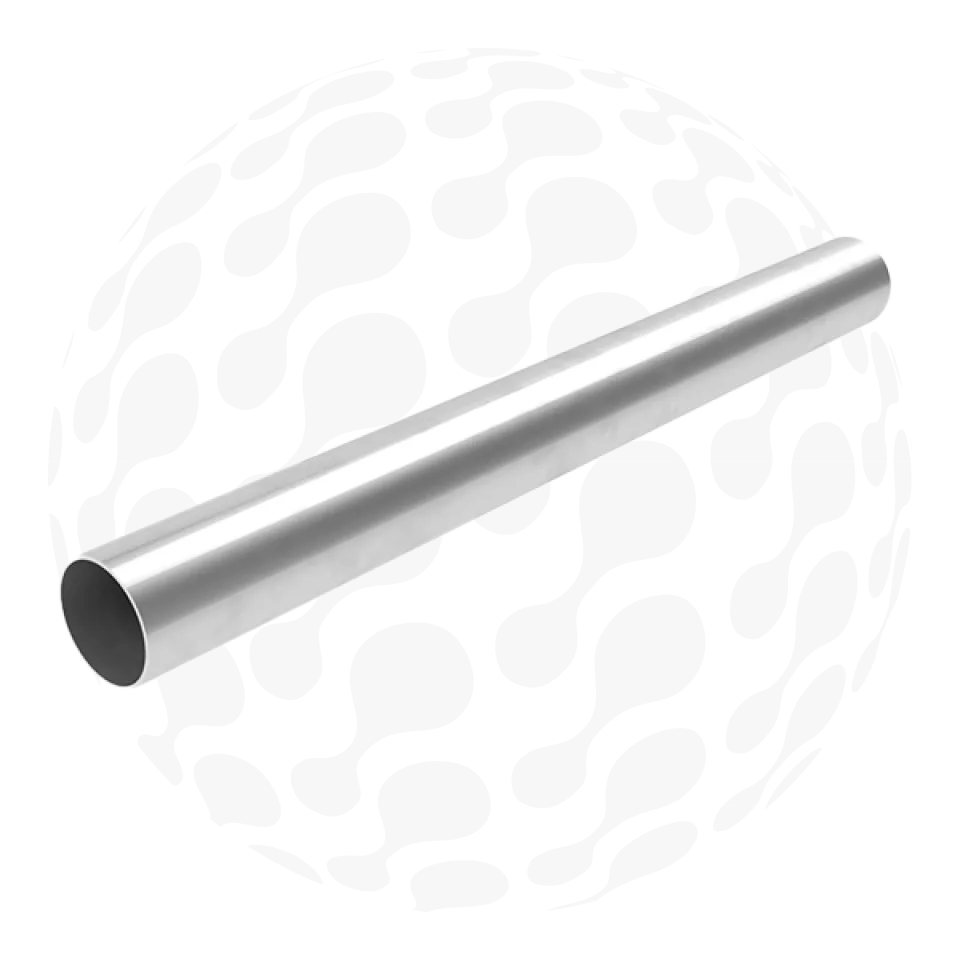
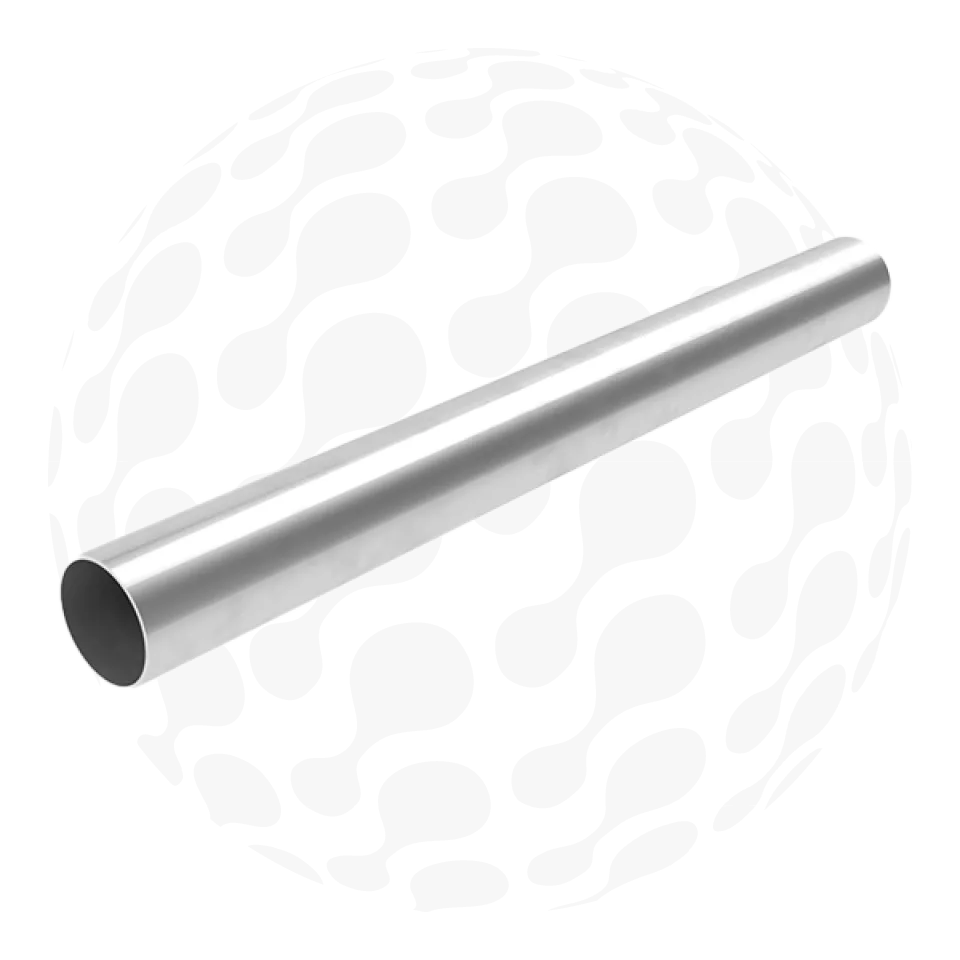
The Metal Company was involved in yet another awesome project which featured our RapidPress Press Fit Stainless Steel Pipe innovated by us!
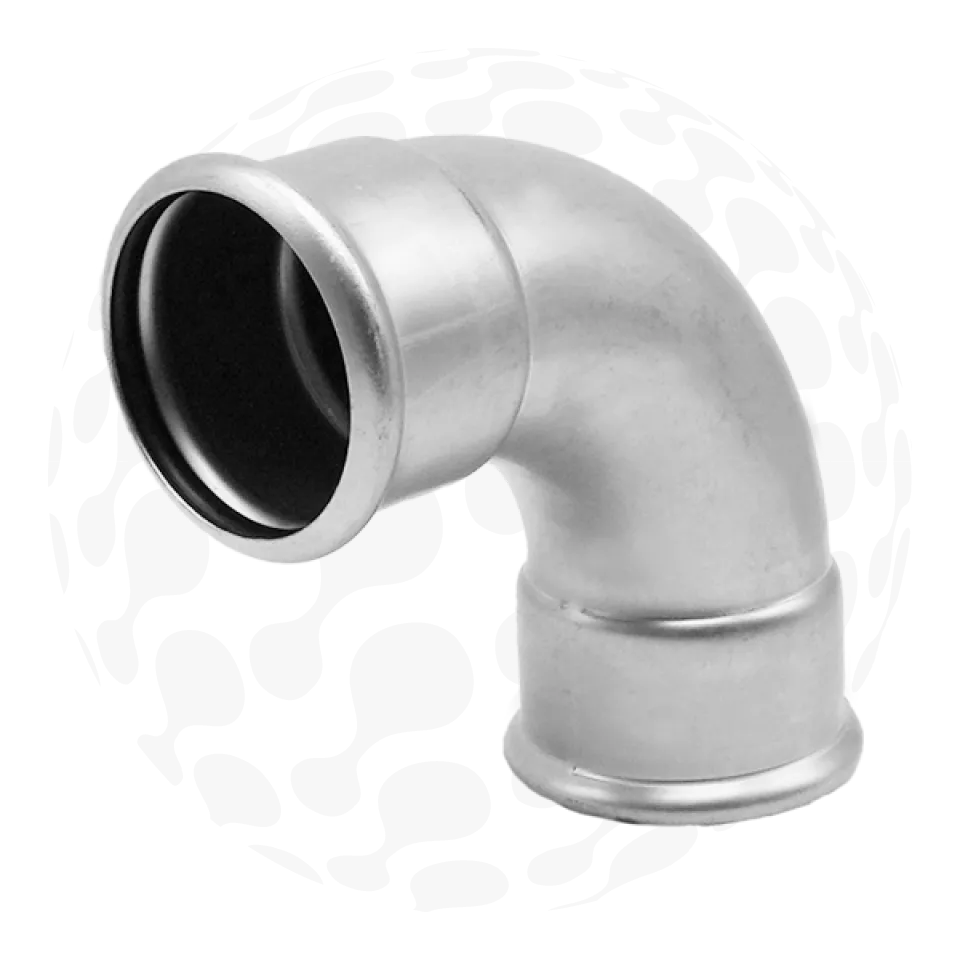
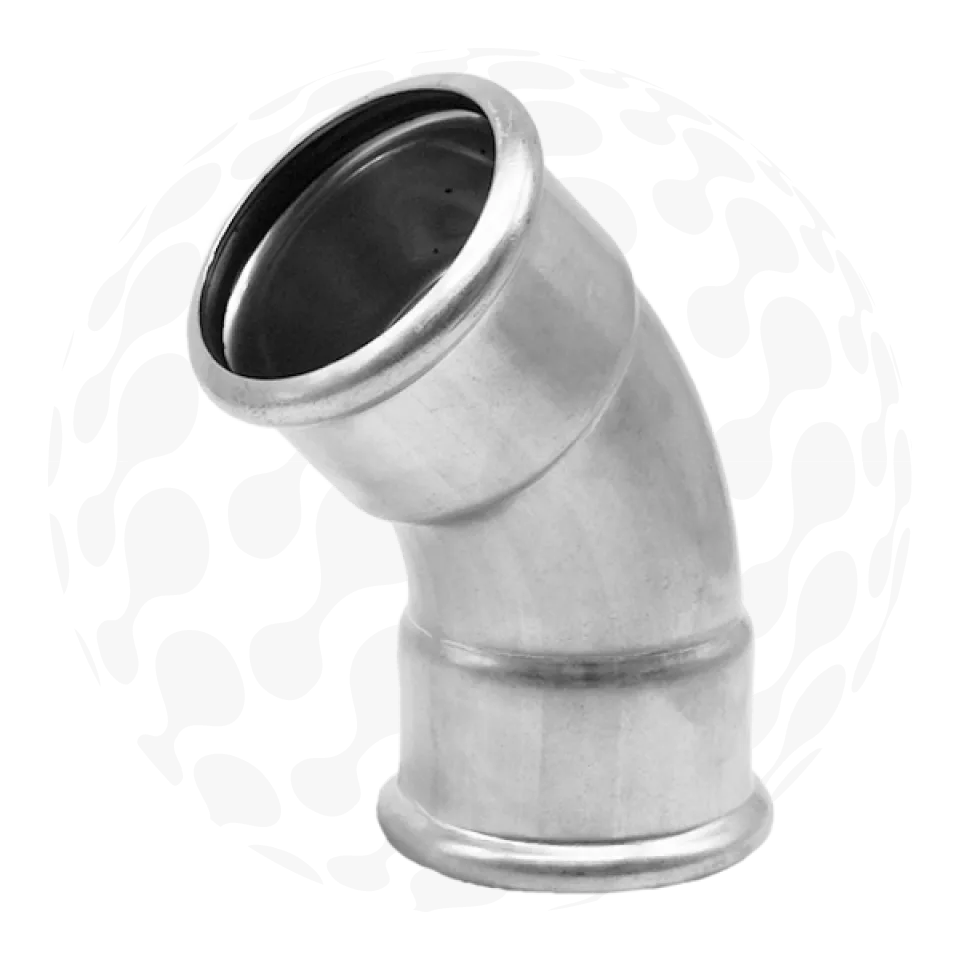
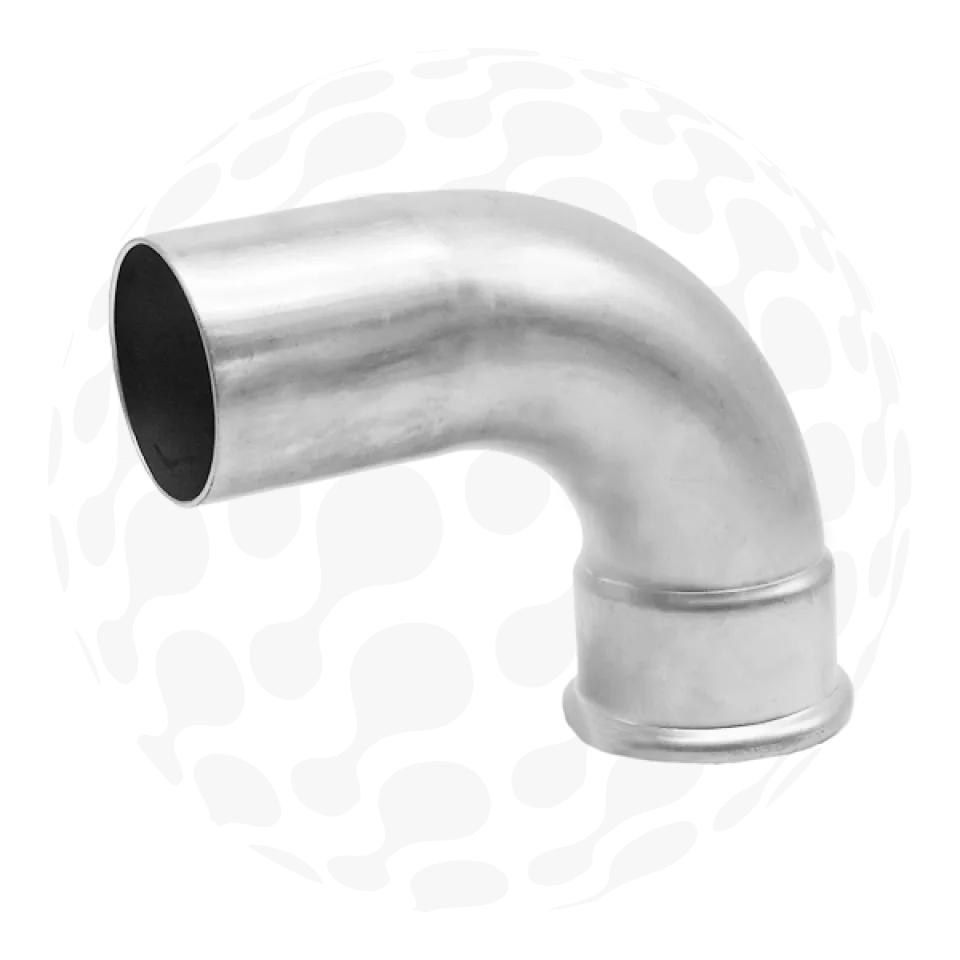
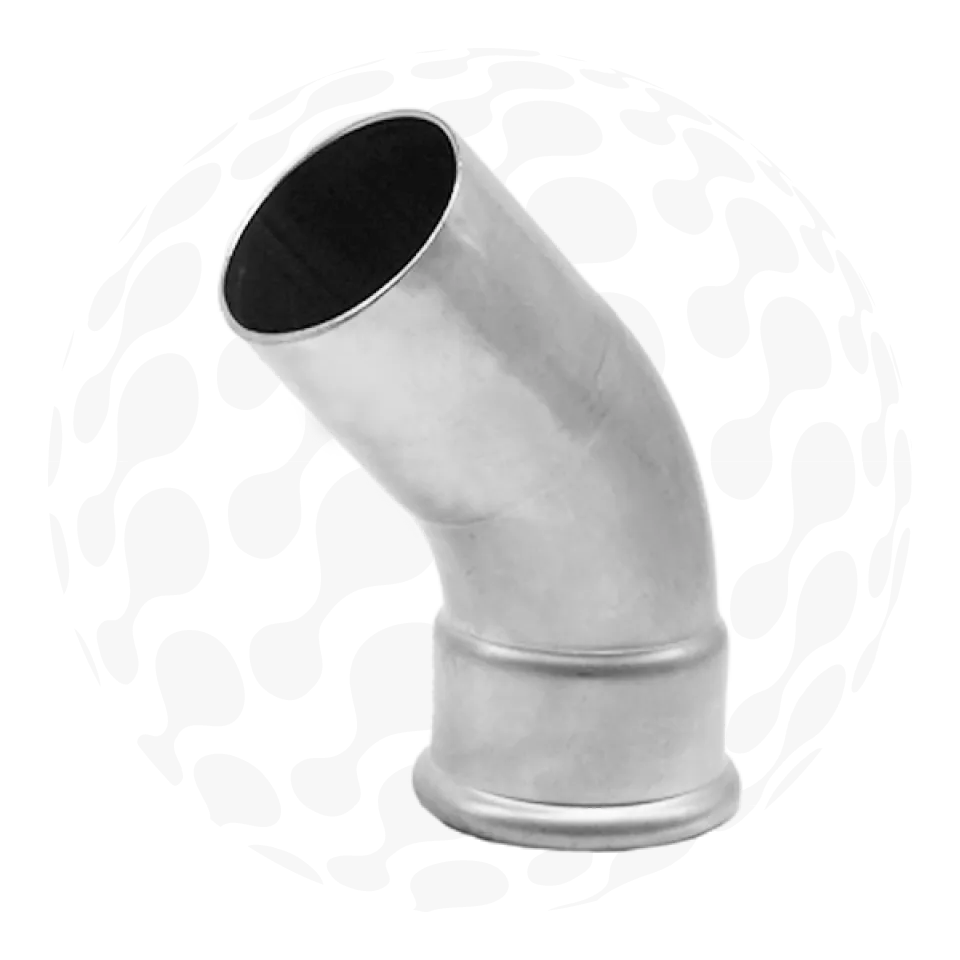
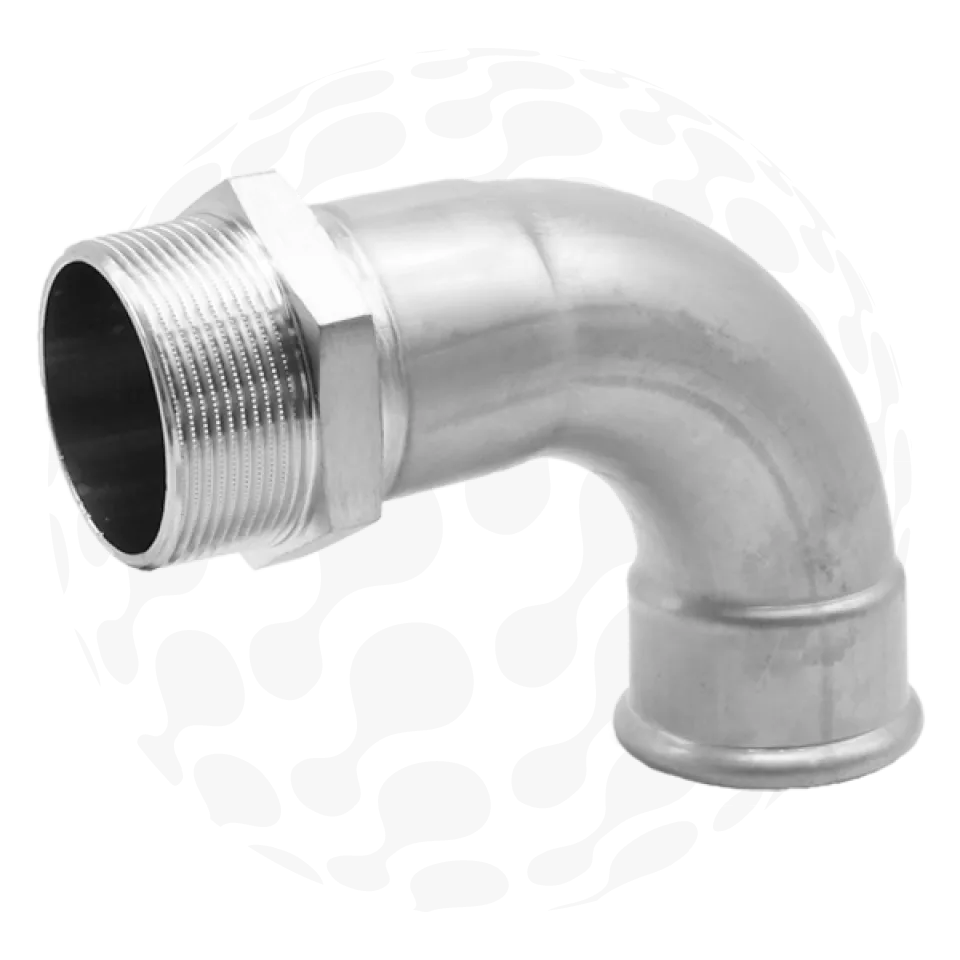
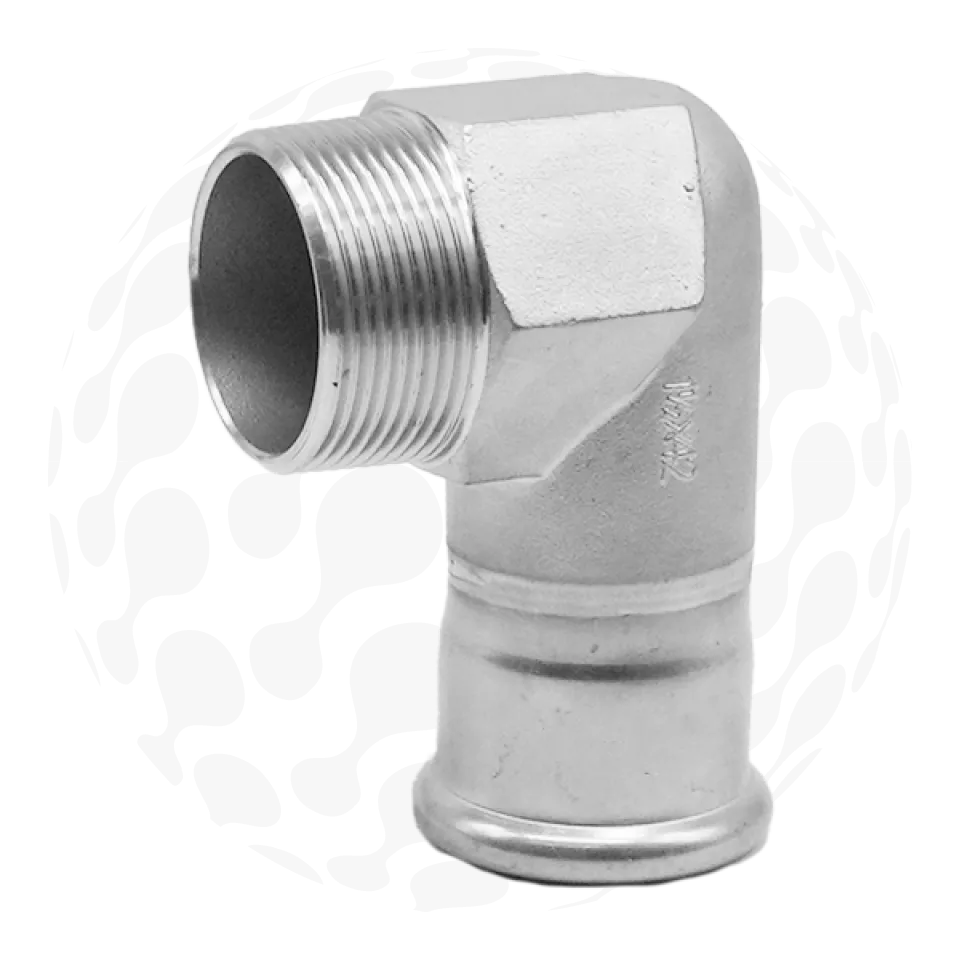
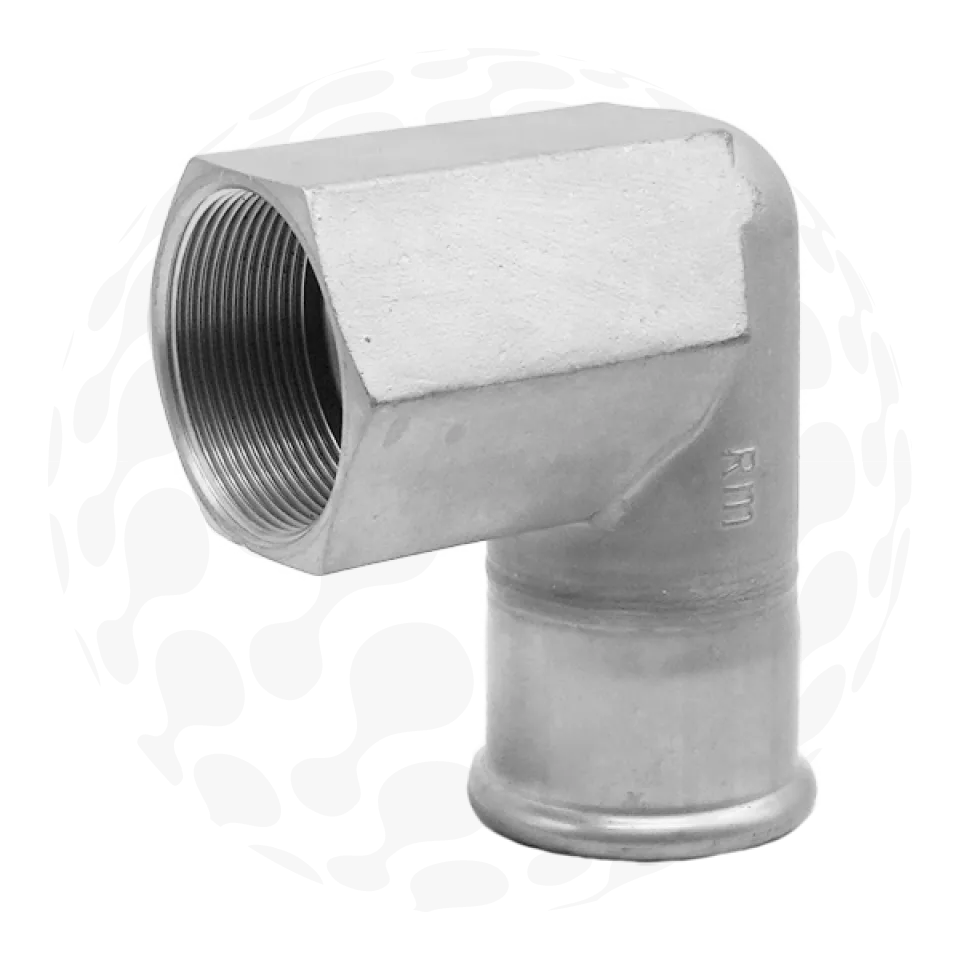
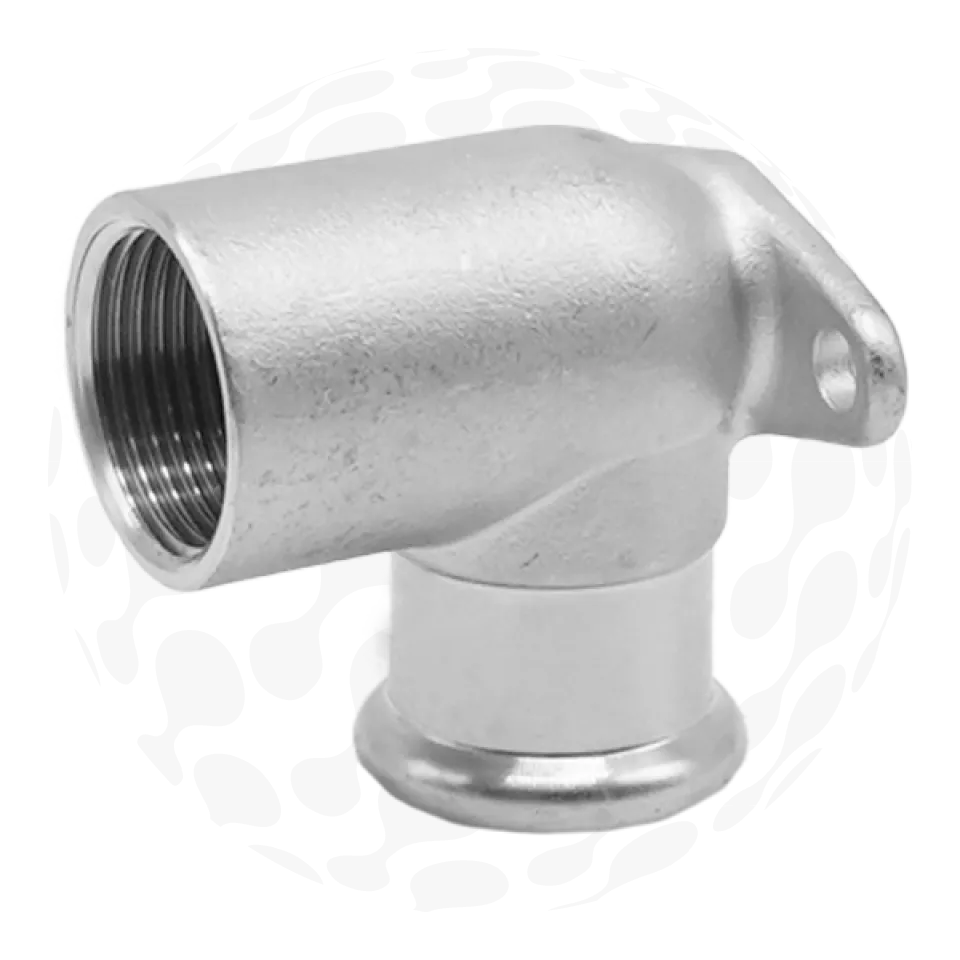
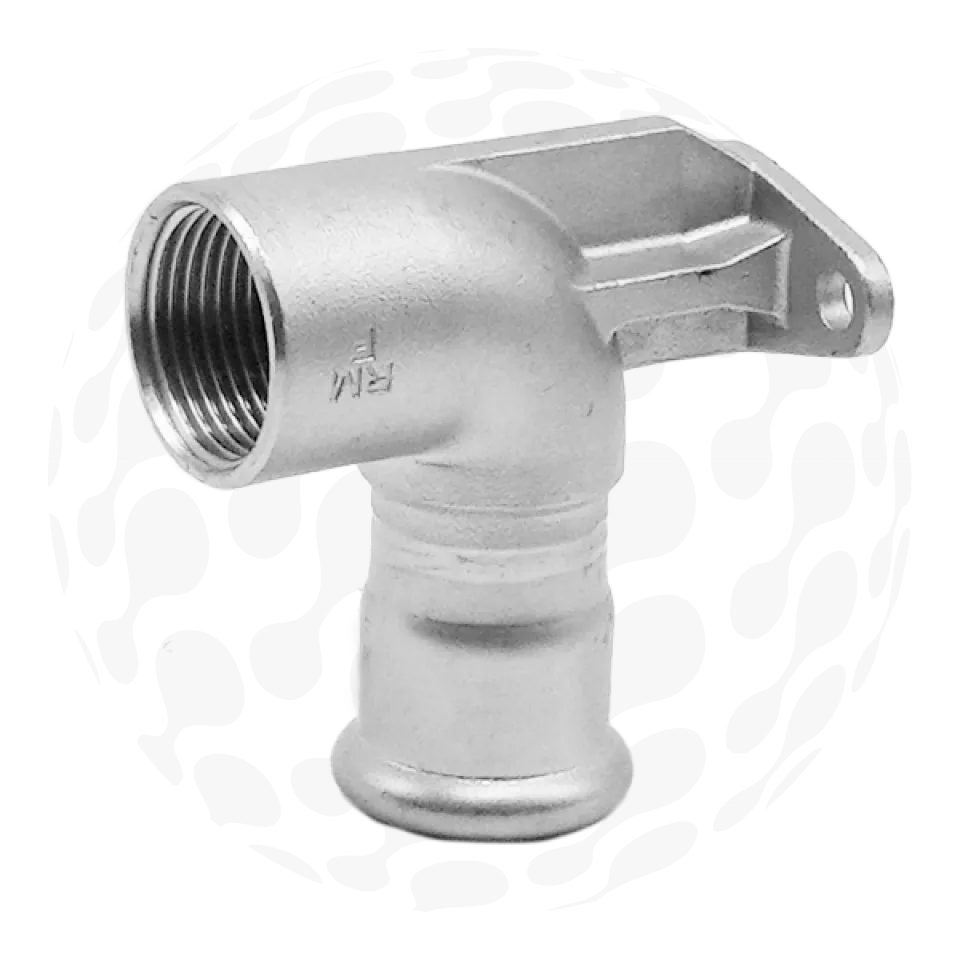
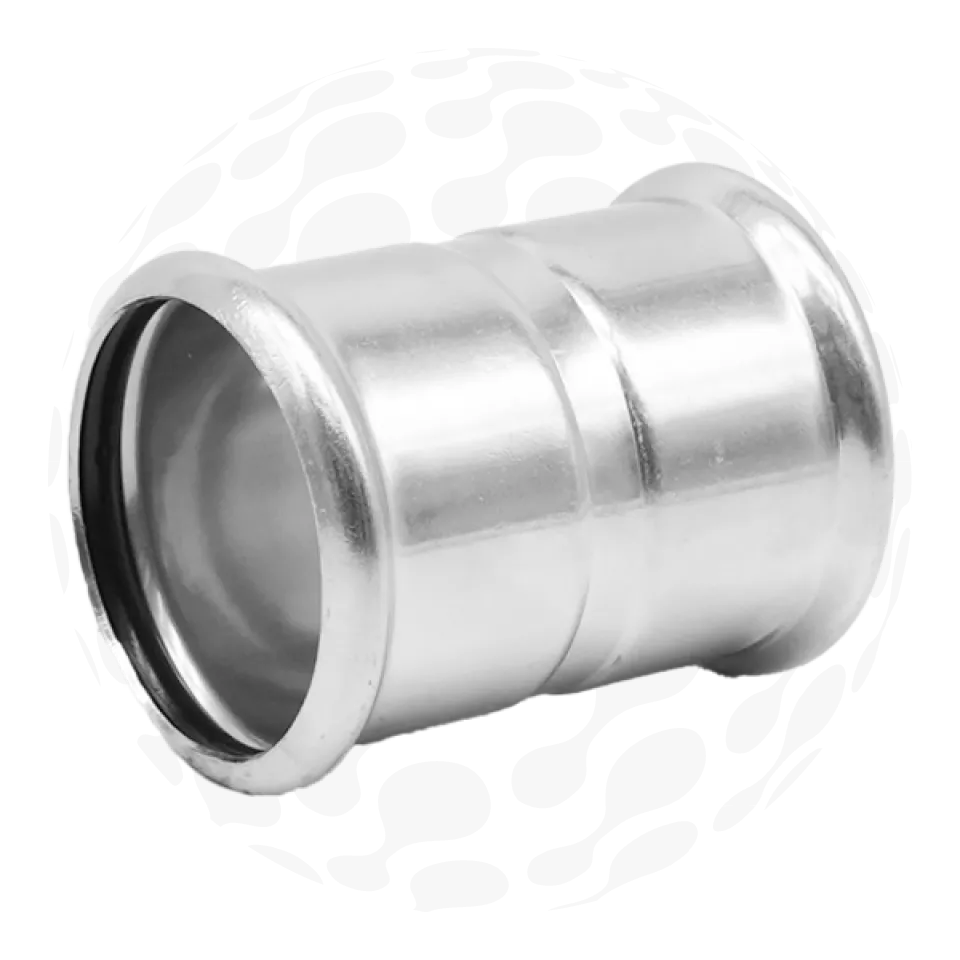
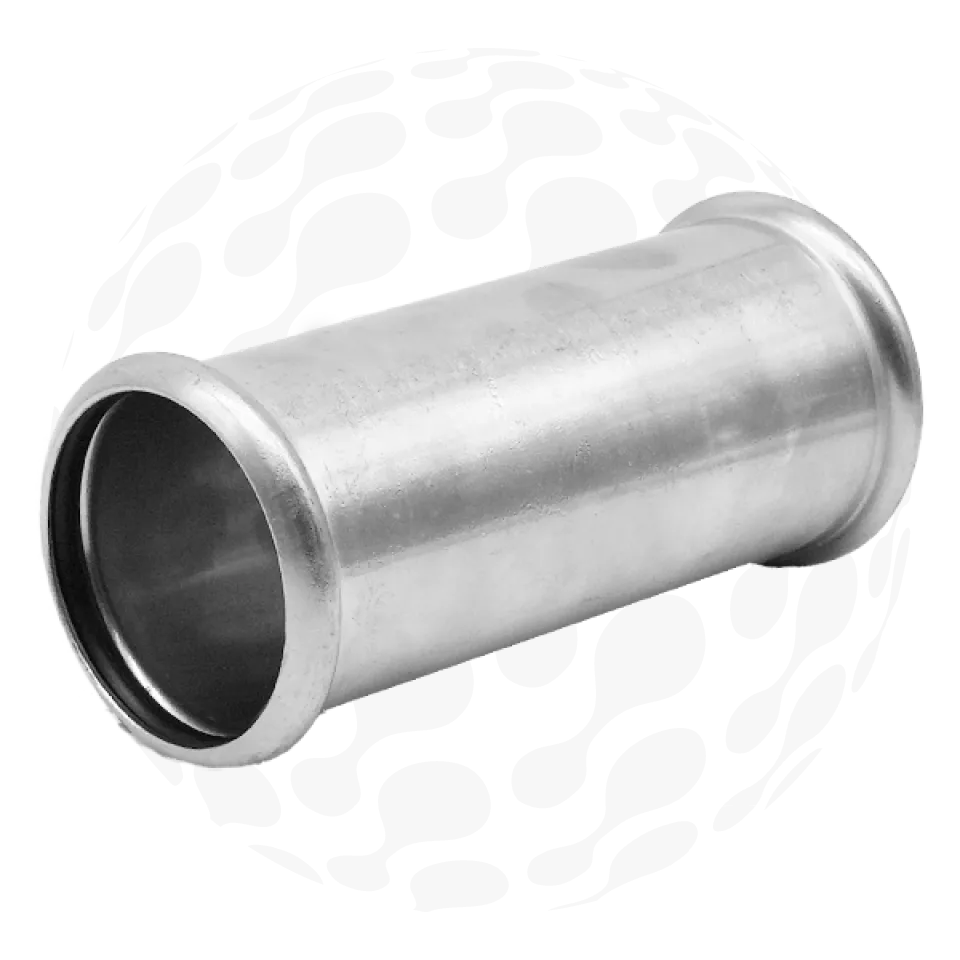
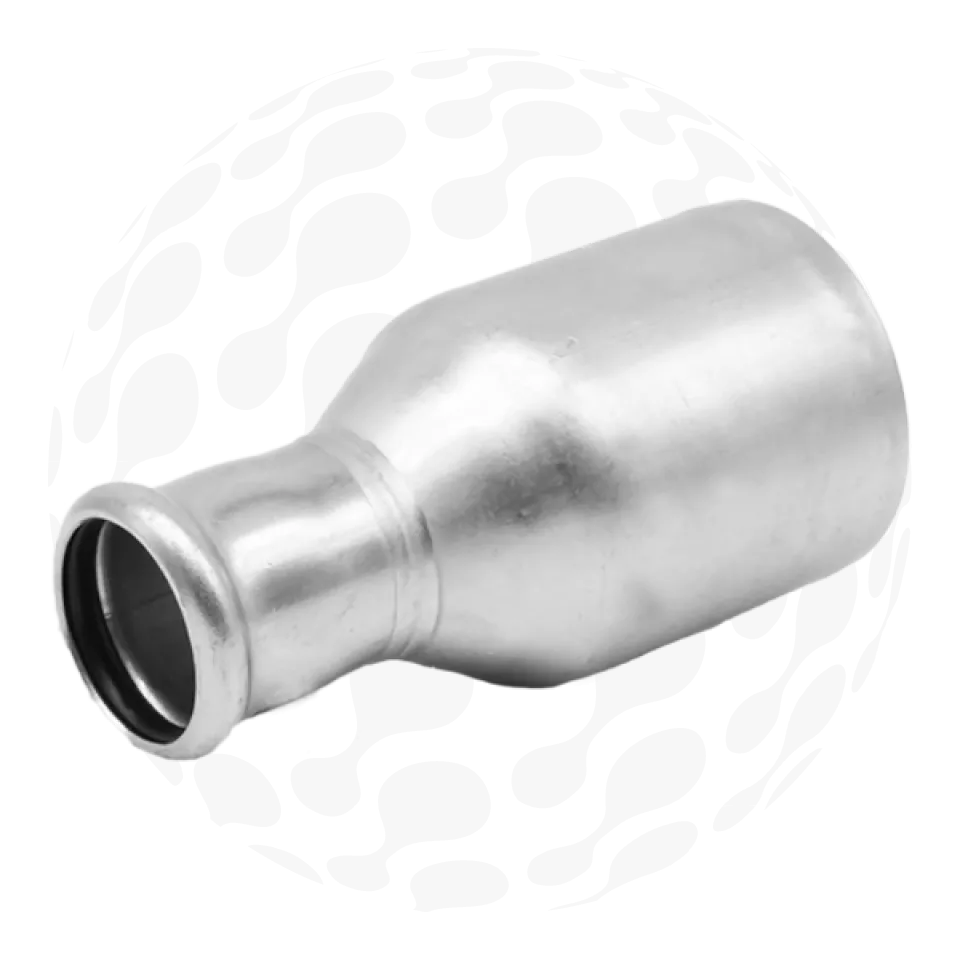
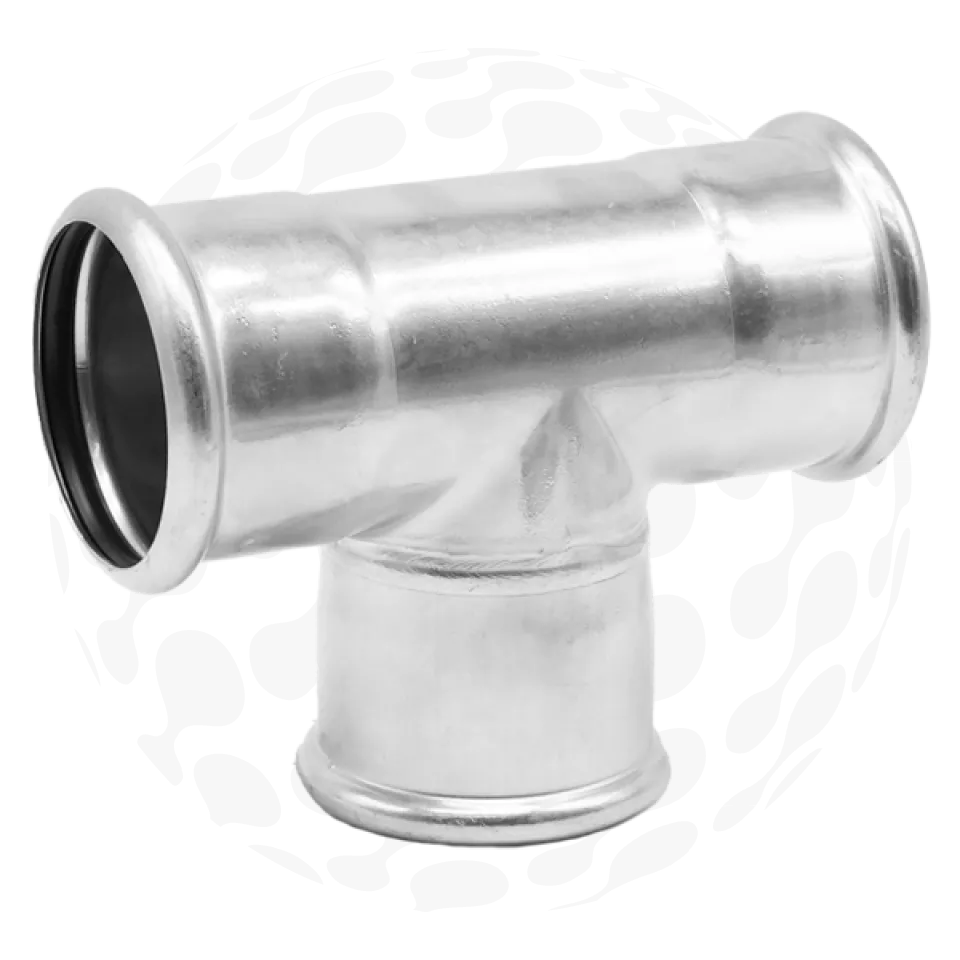
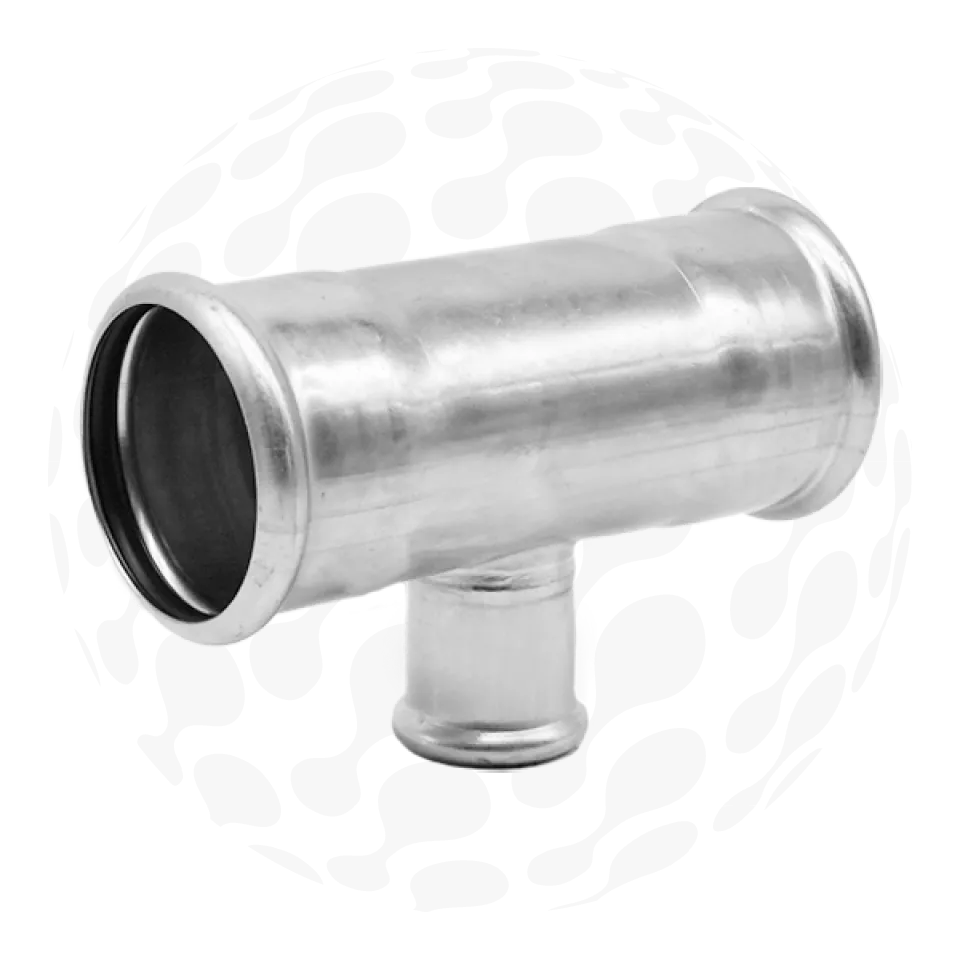
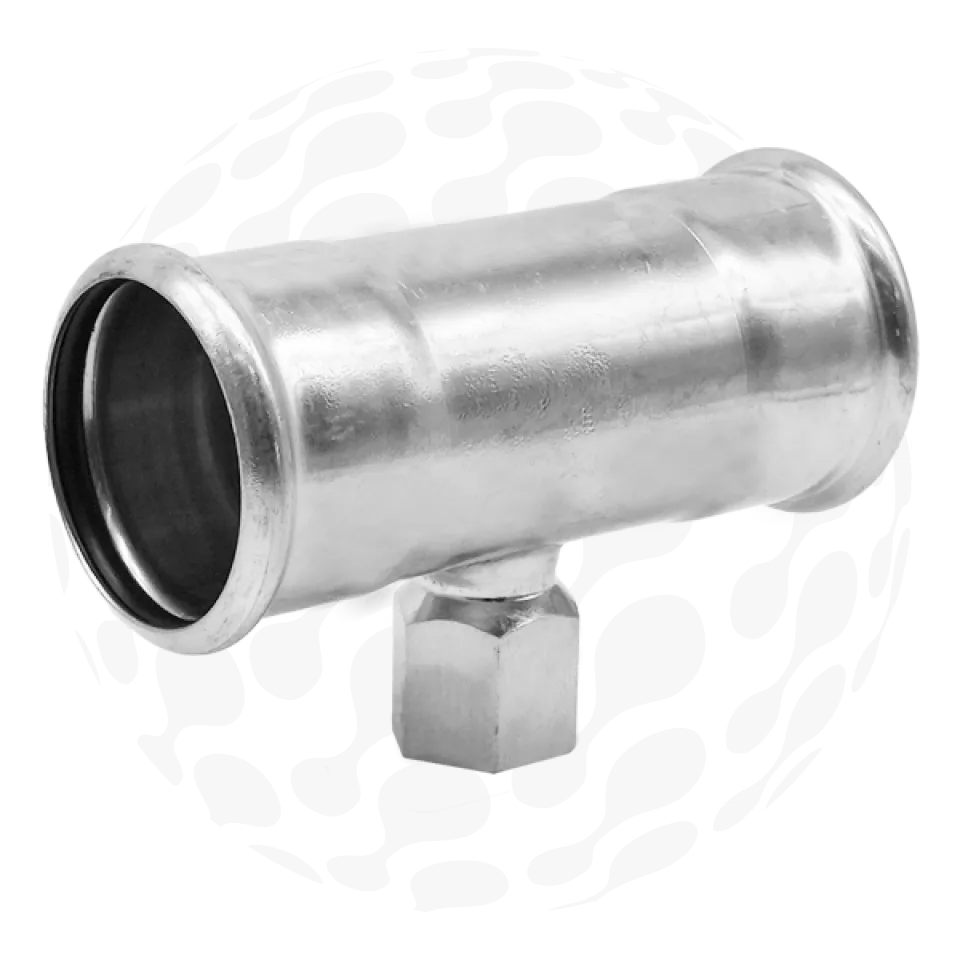
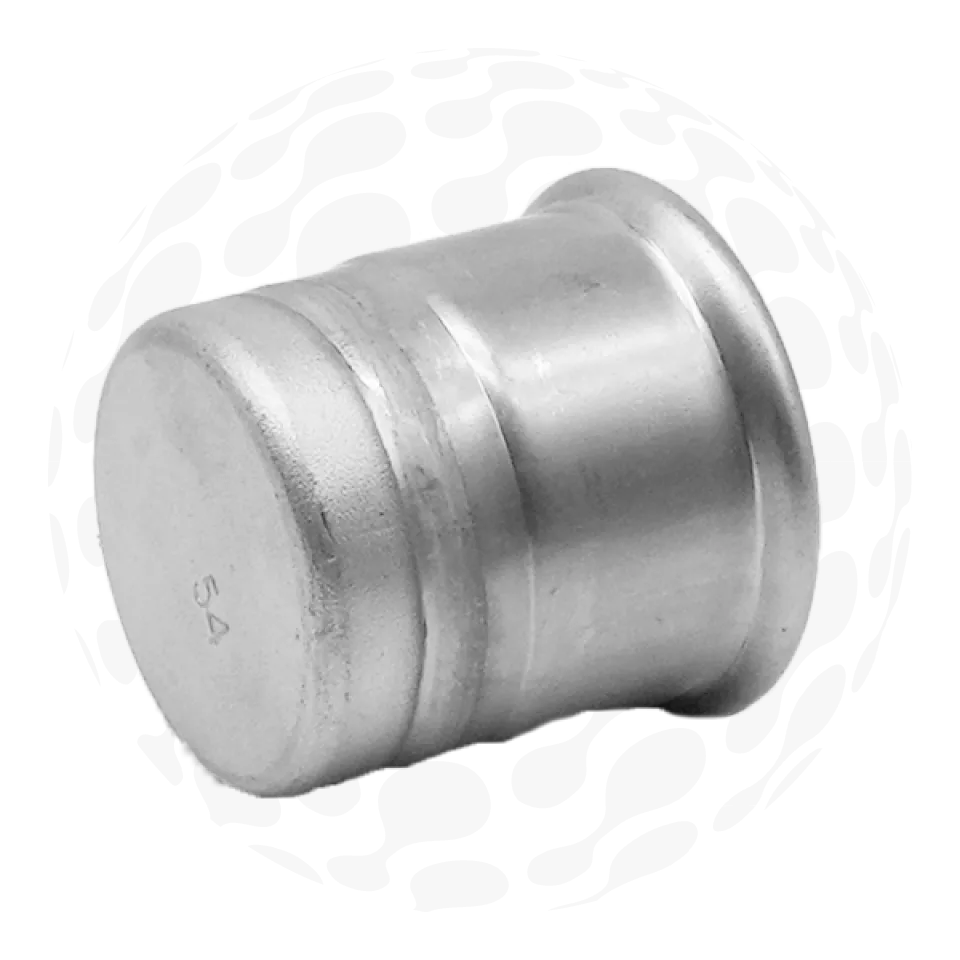
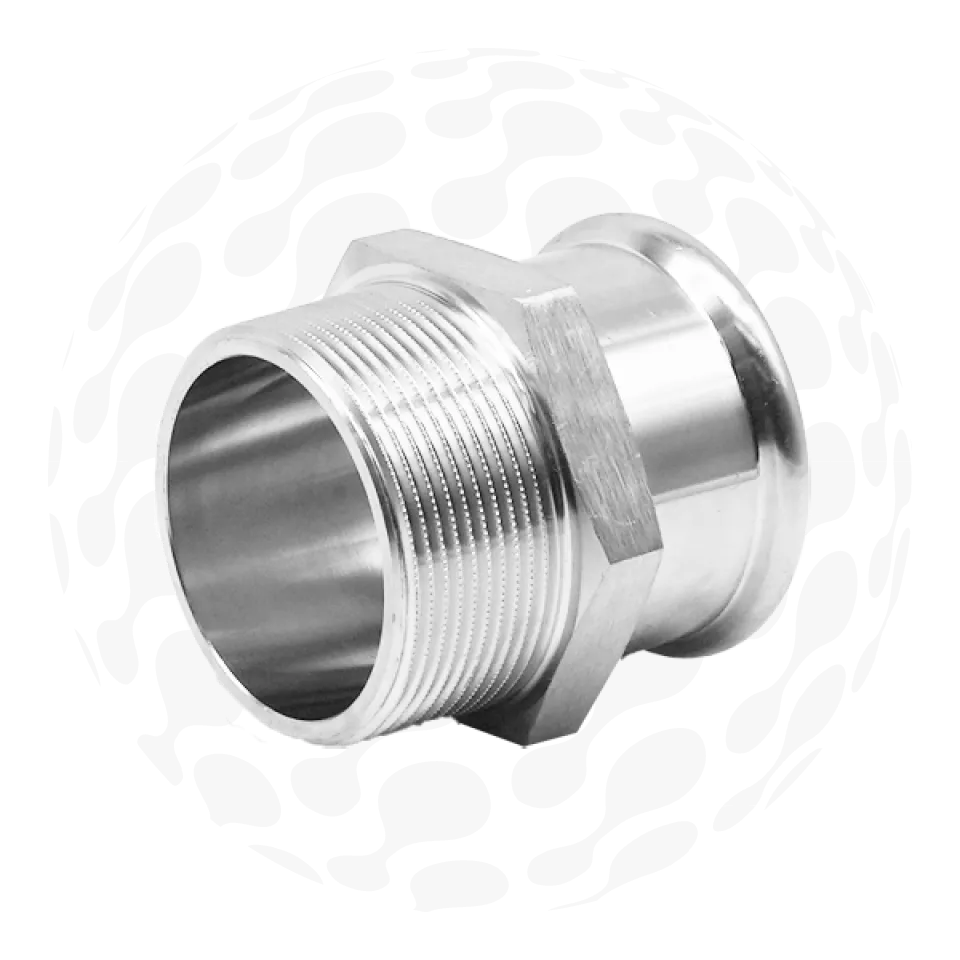
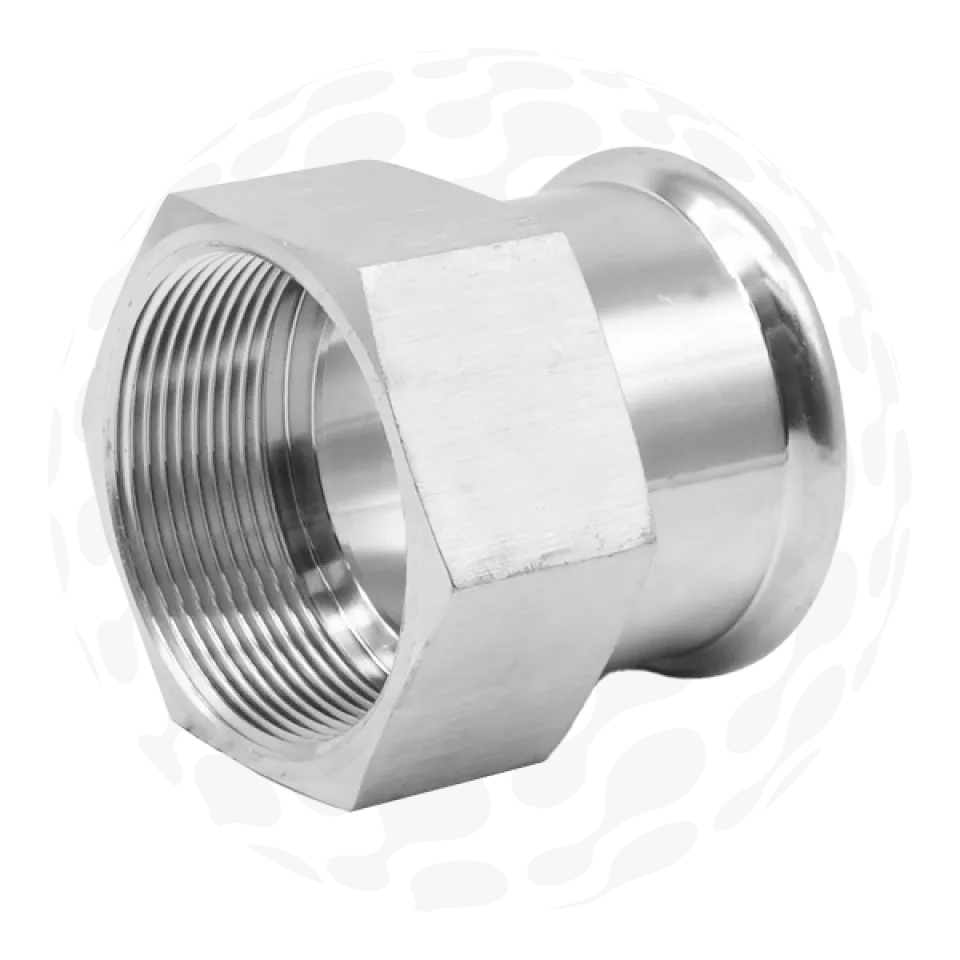
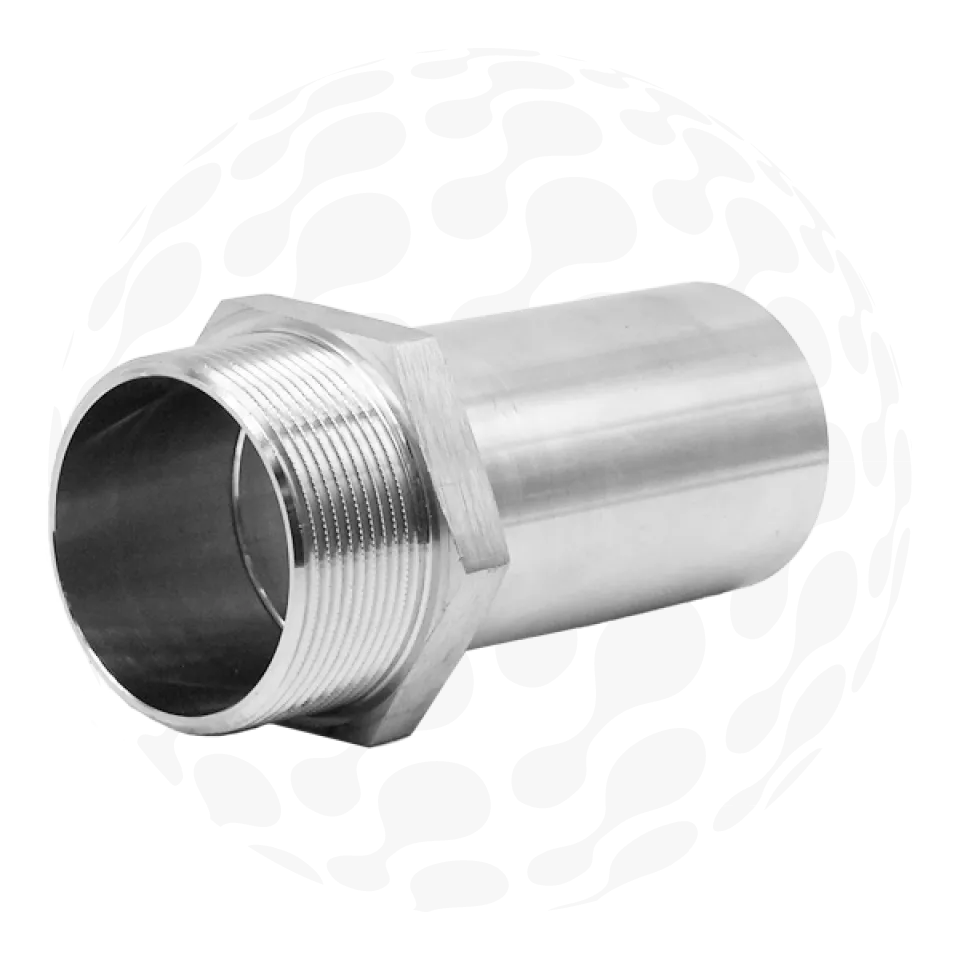
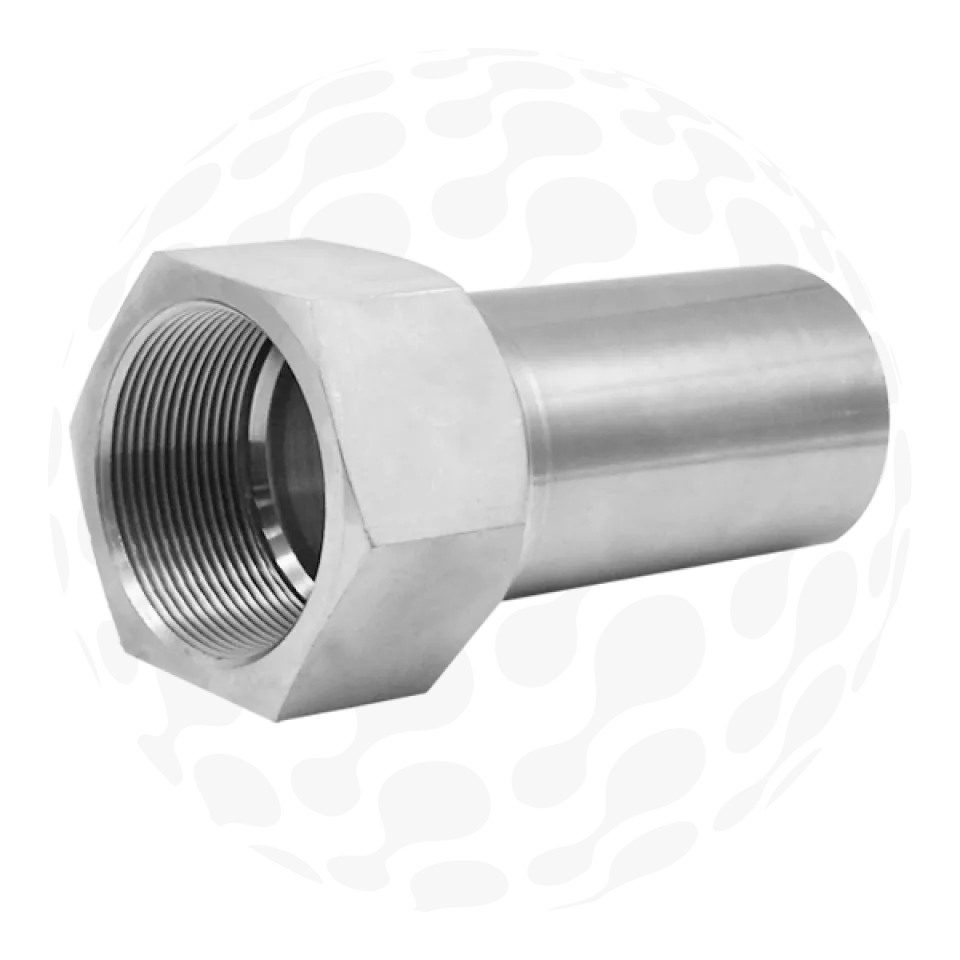
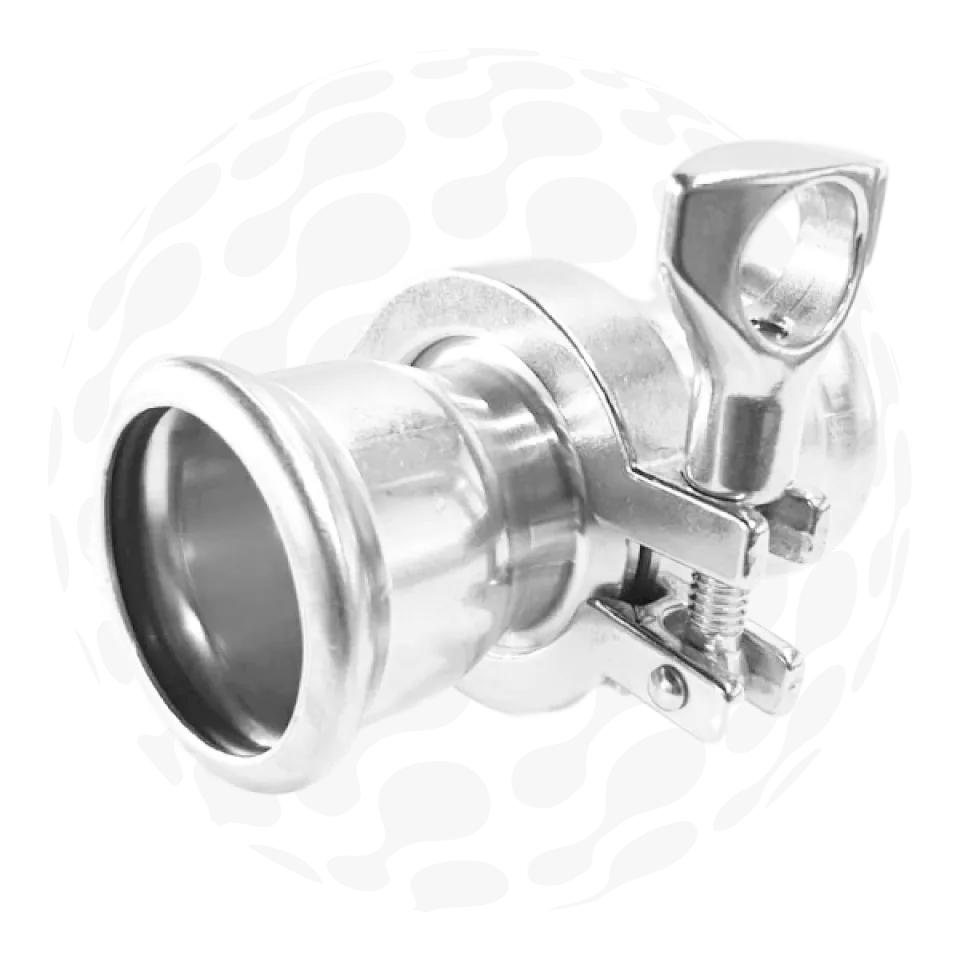
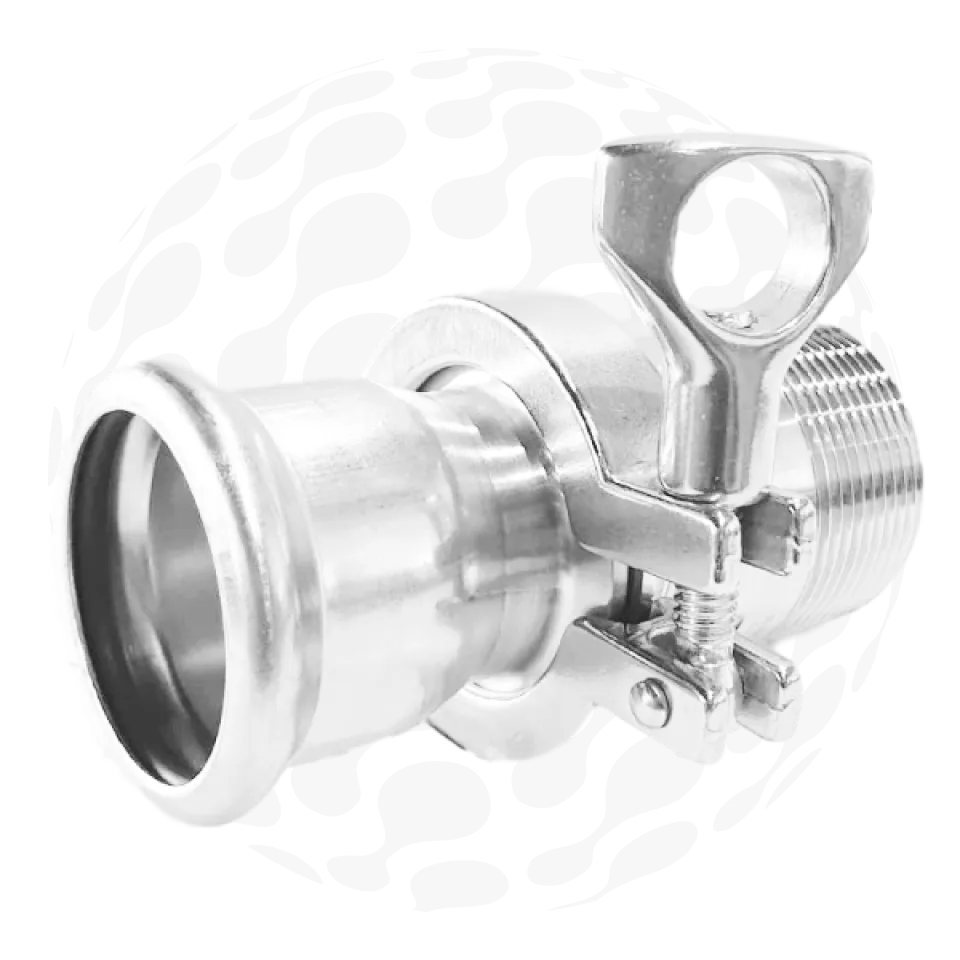
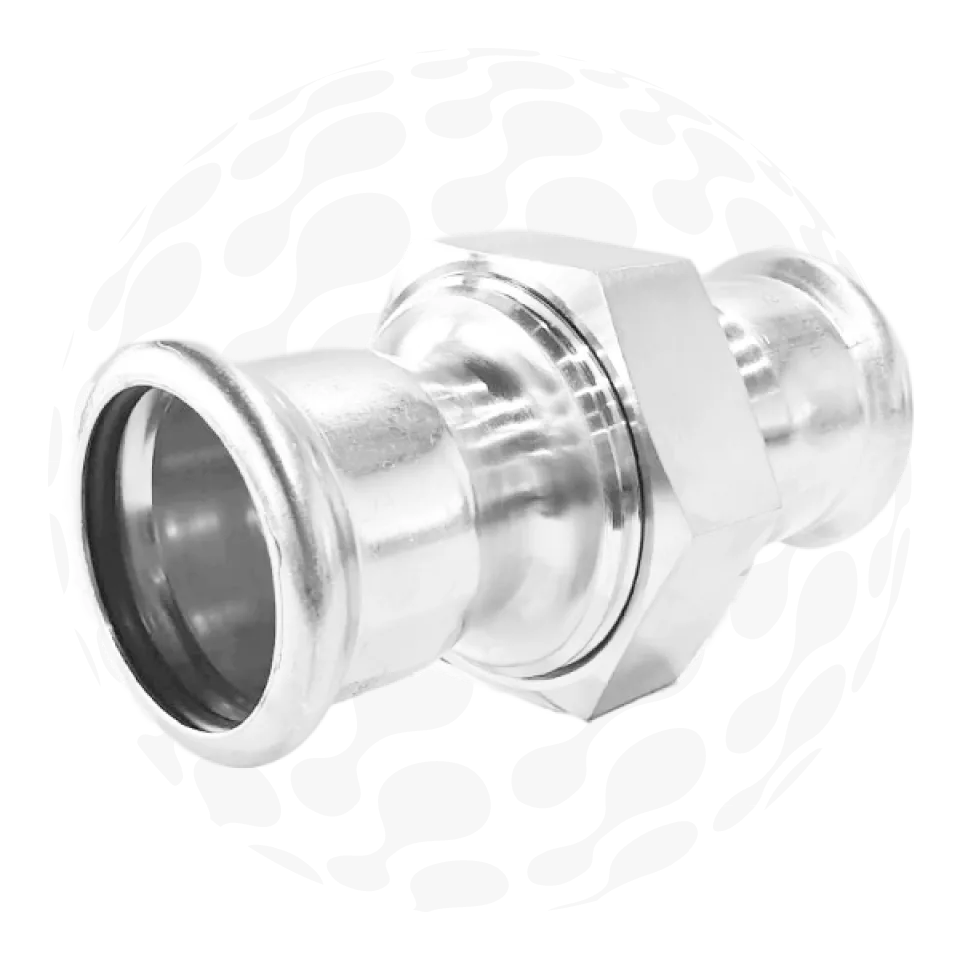
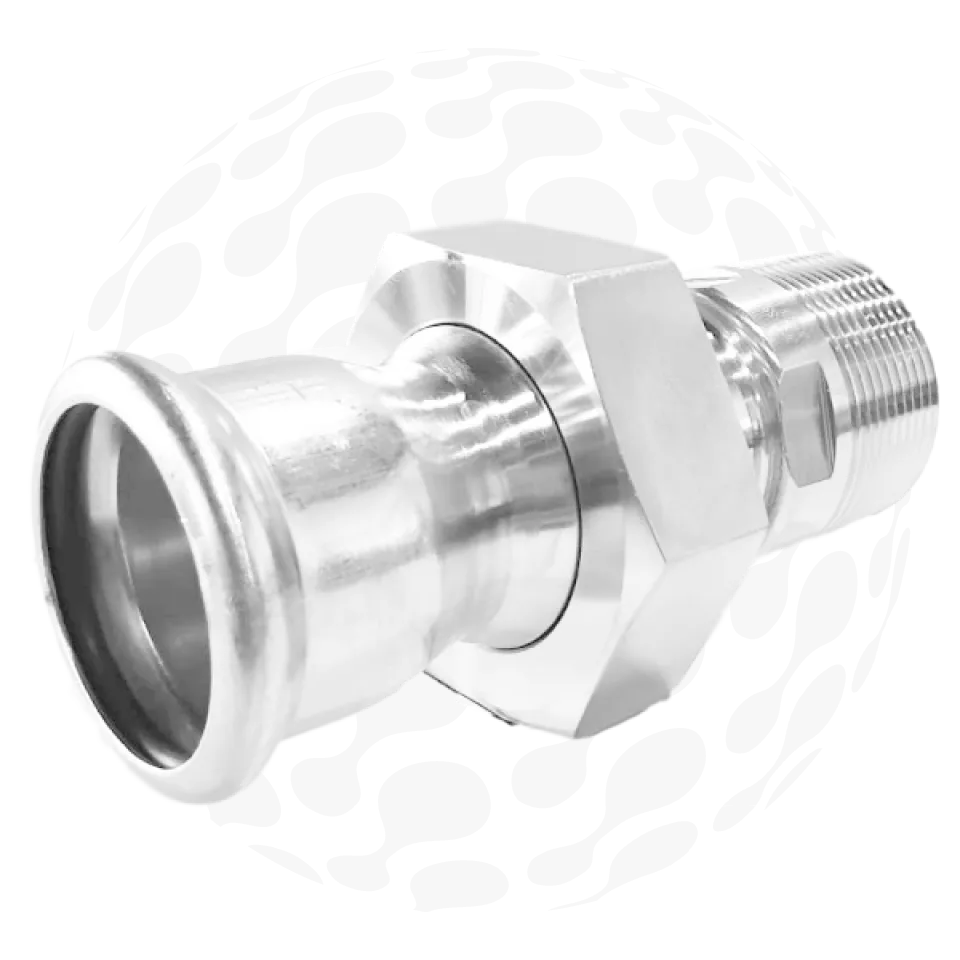
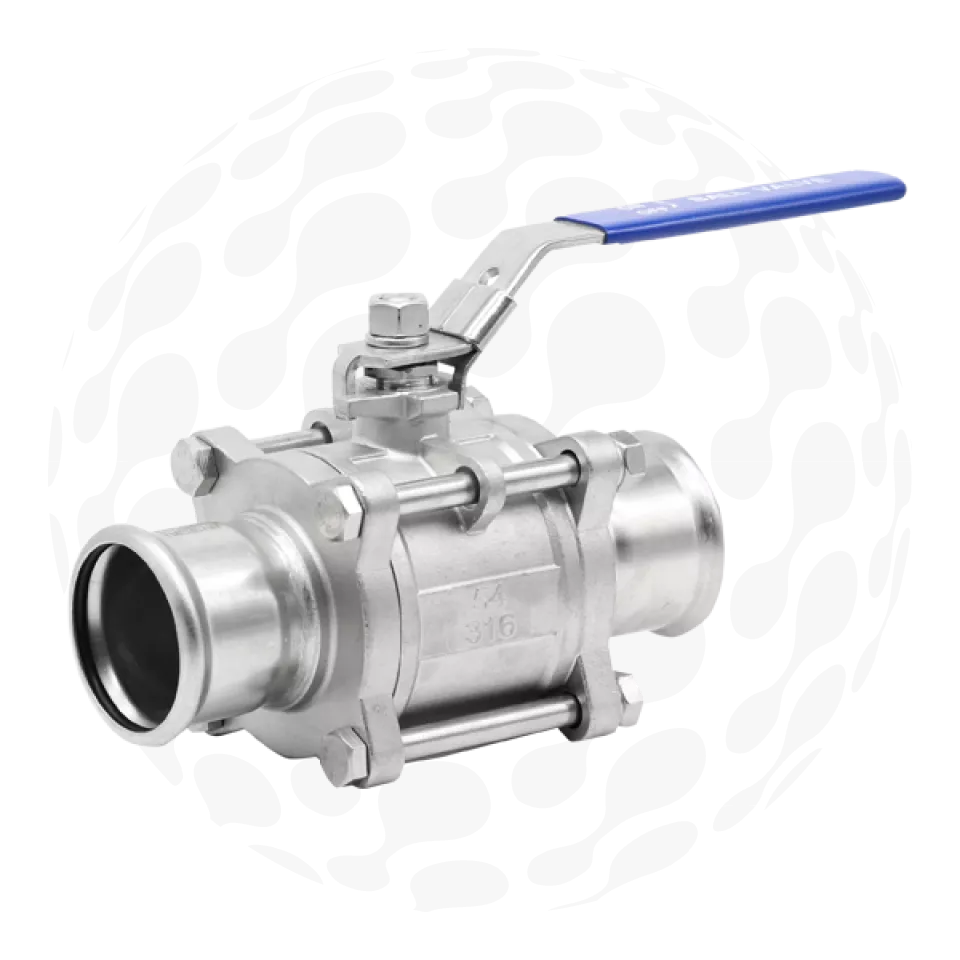
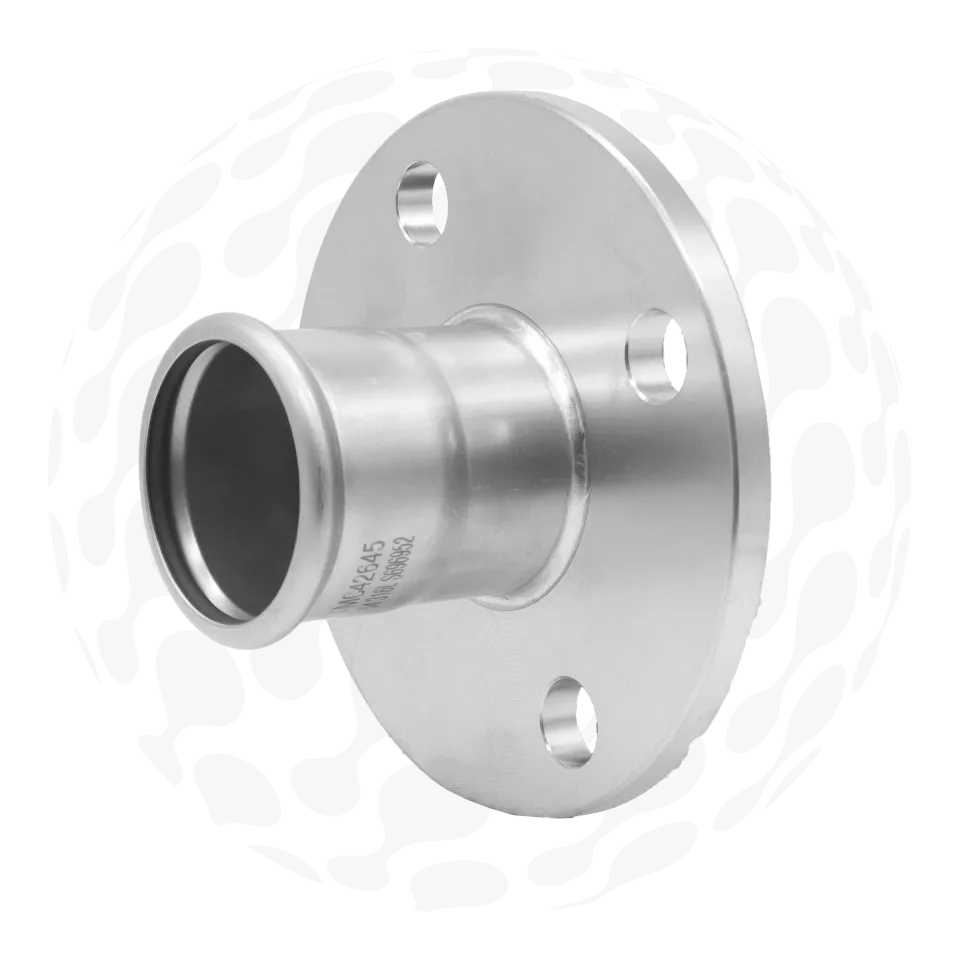
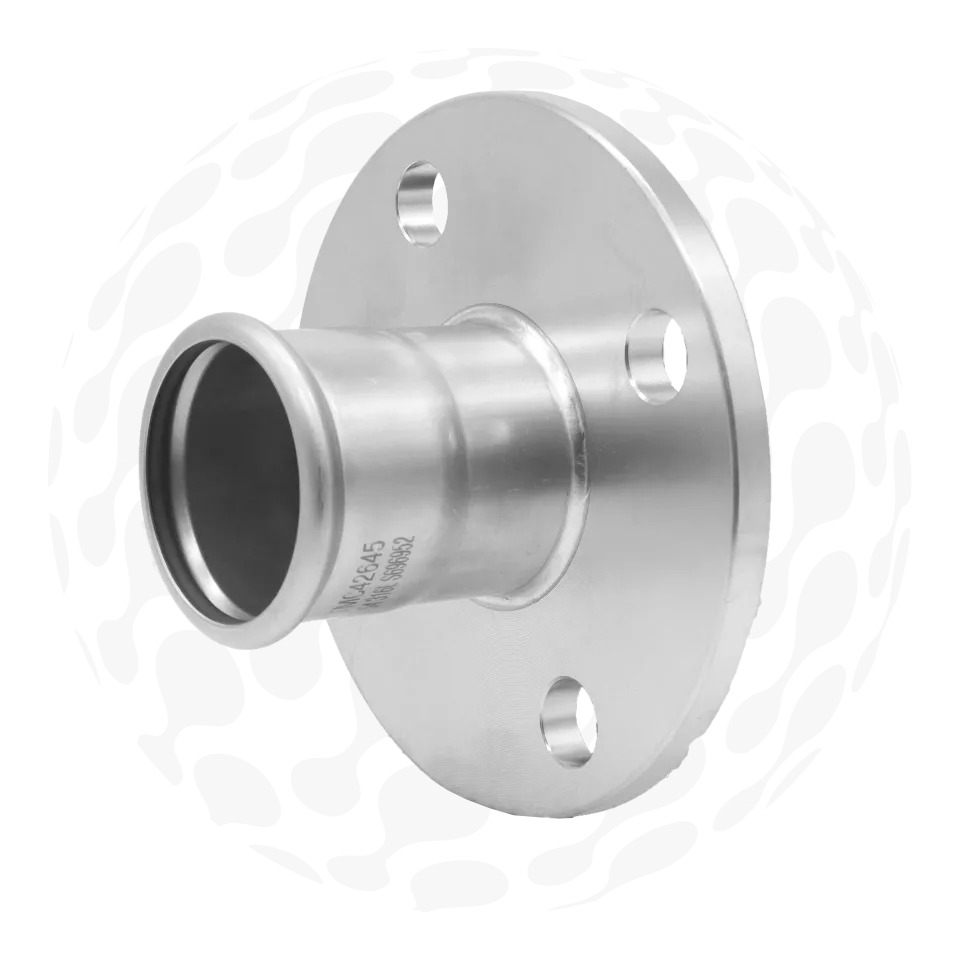
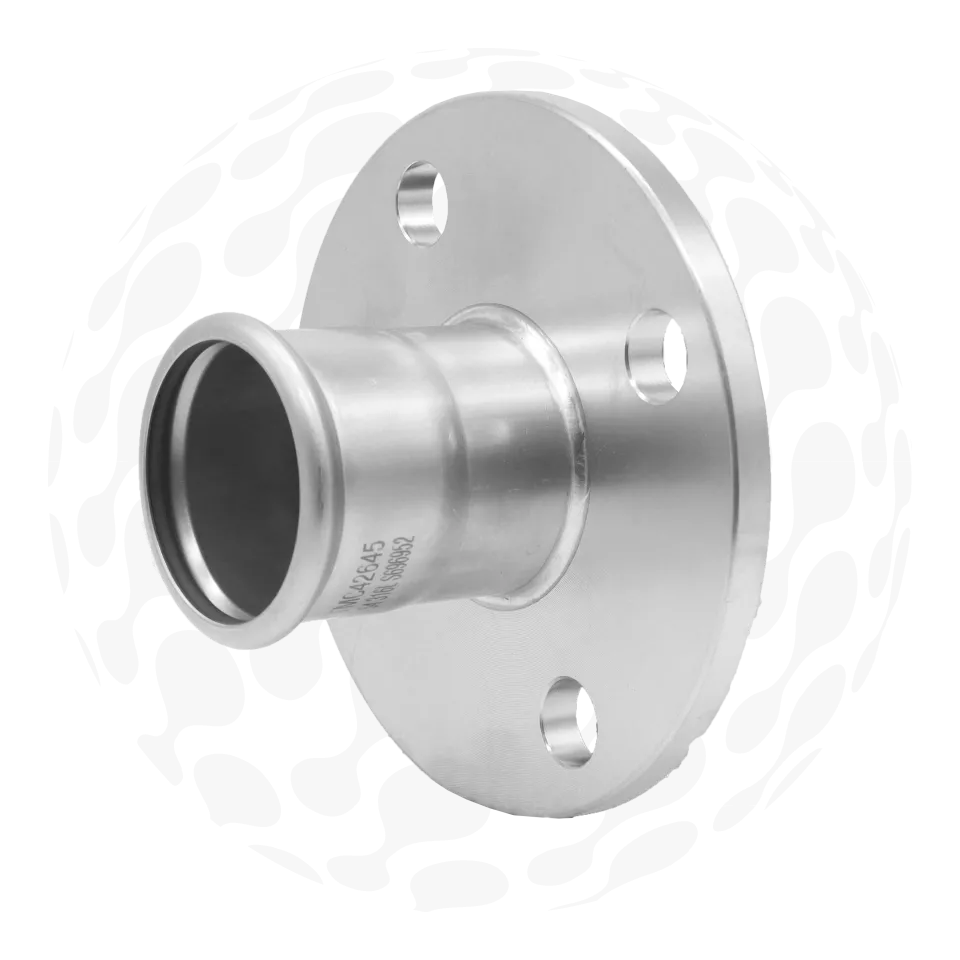
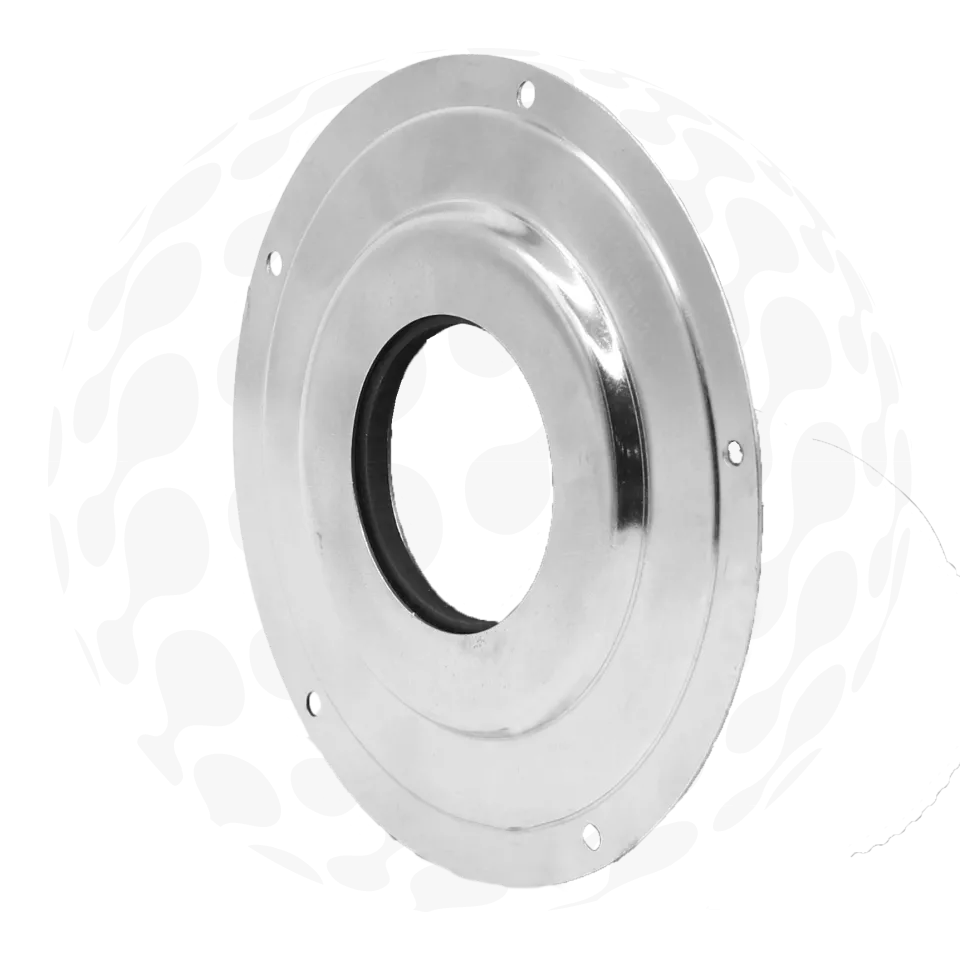
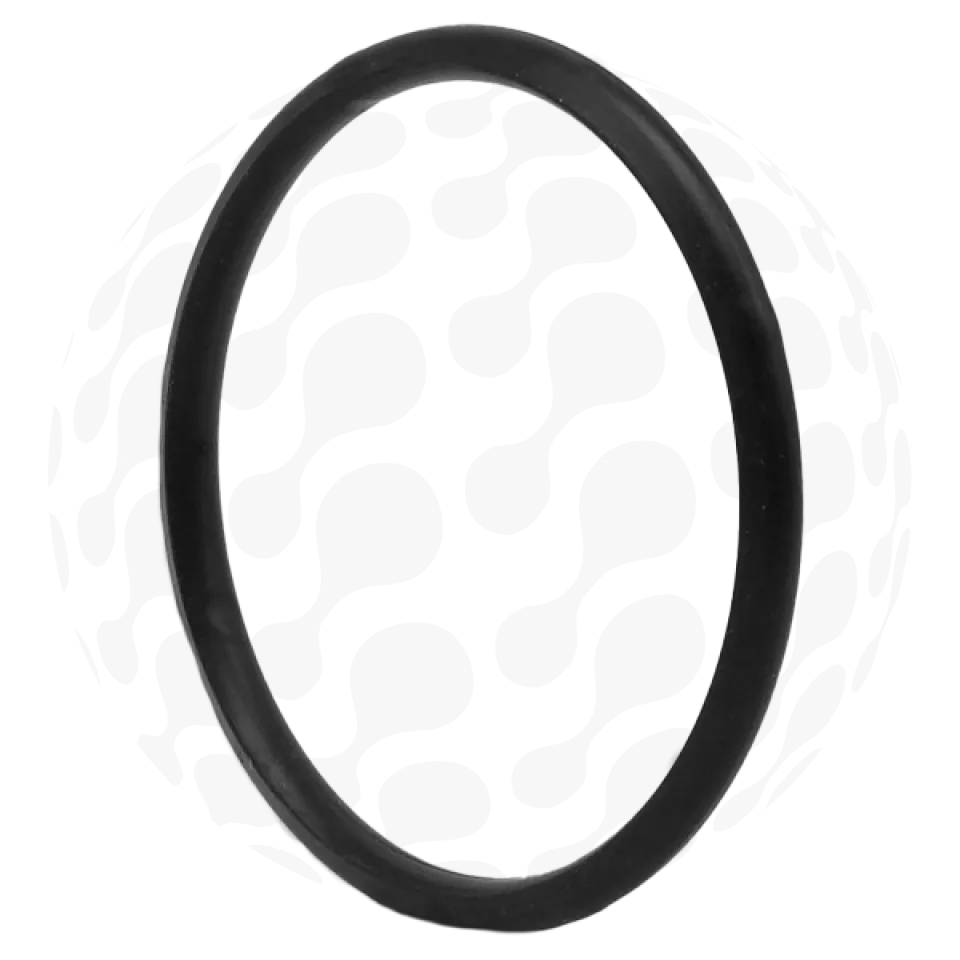
This project involved the installation of 76mm RapidPress cooling water and glycol lines for a printing press in a packaging facility. RapidPress press fittings are made of high-alloyed austenitic stainless Cr-Ni-Mo steel (AISI 316L/1.4404) and marked with the manufacturer name, diameter, DVGW test symbol, and internal code. The press fittings come with a black EPDM seal standardly fitted. These high-quality components are perfect for heating, cooling, compressed air, oil, and diesel lines in various sectors, including food & beverage, industrial, civil, and manufacturing.
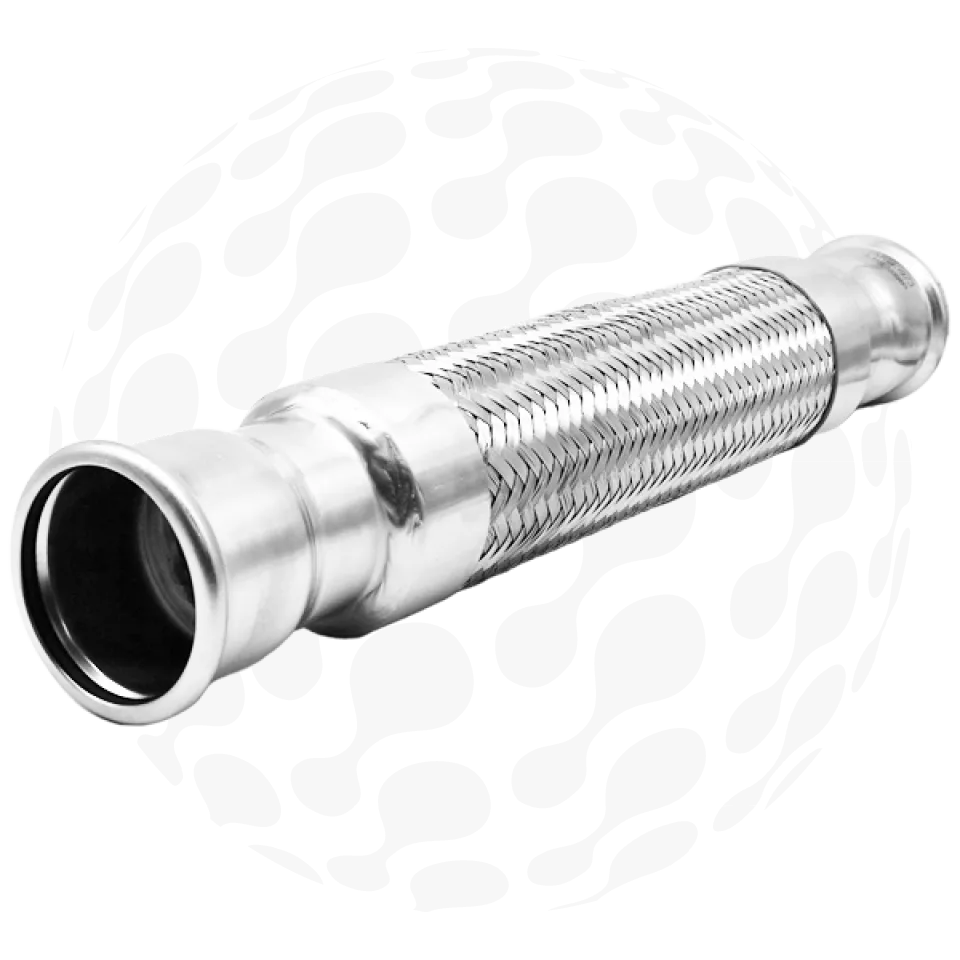
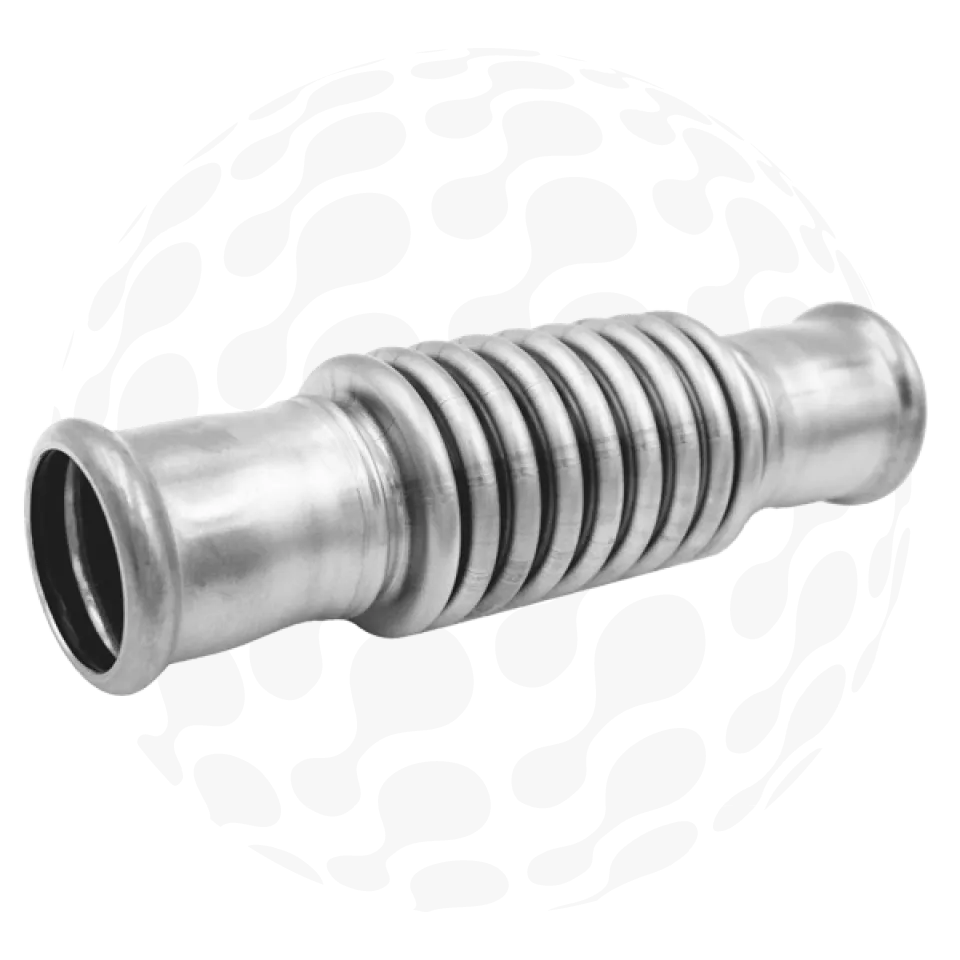
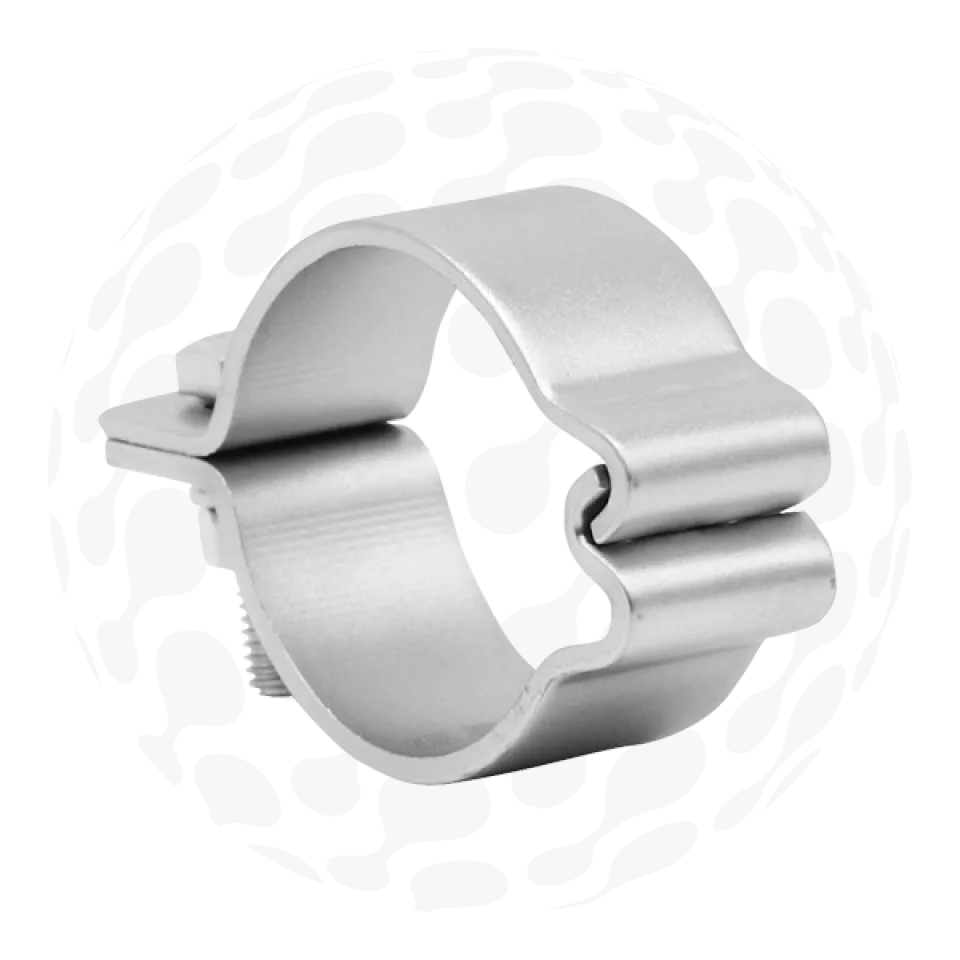
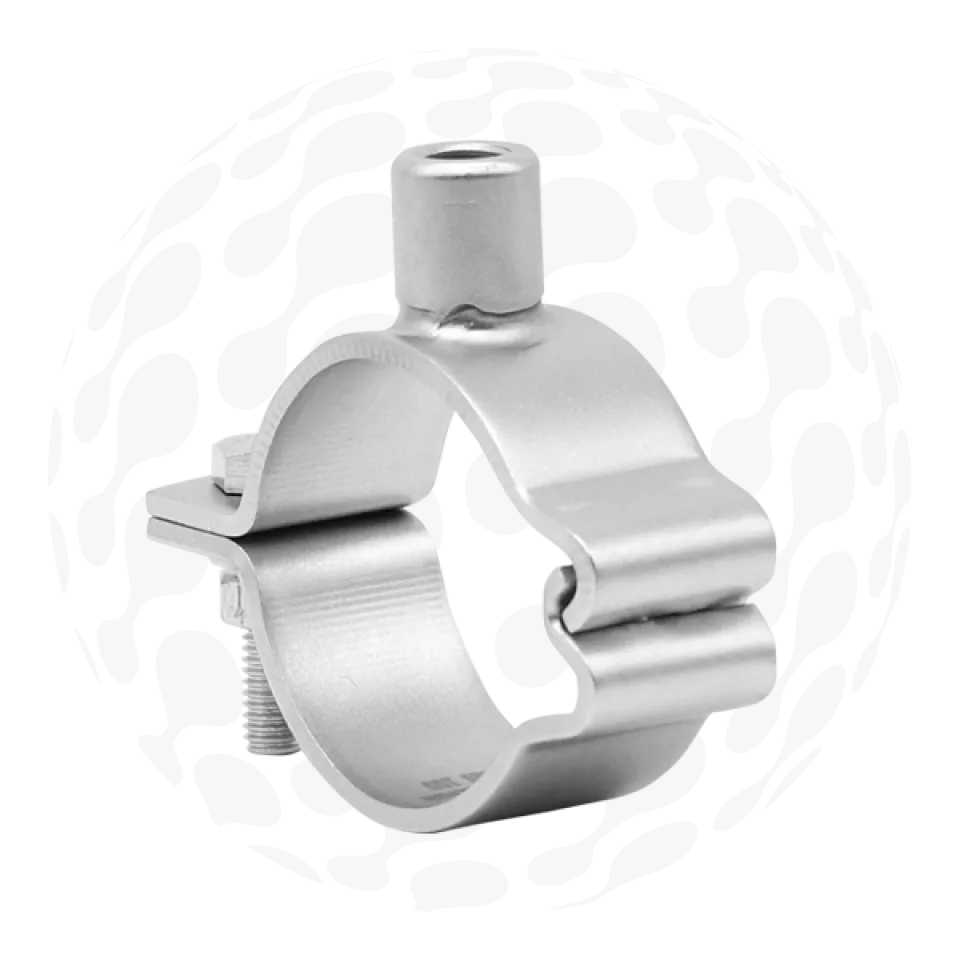
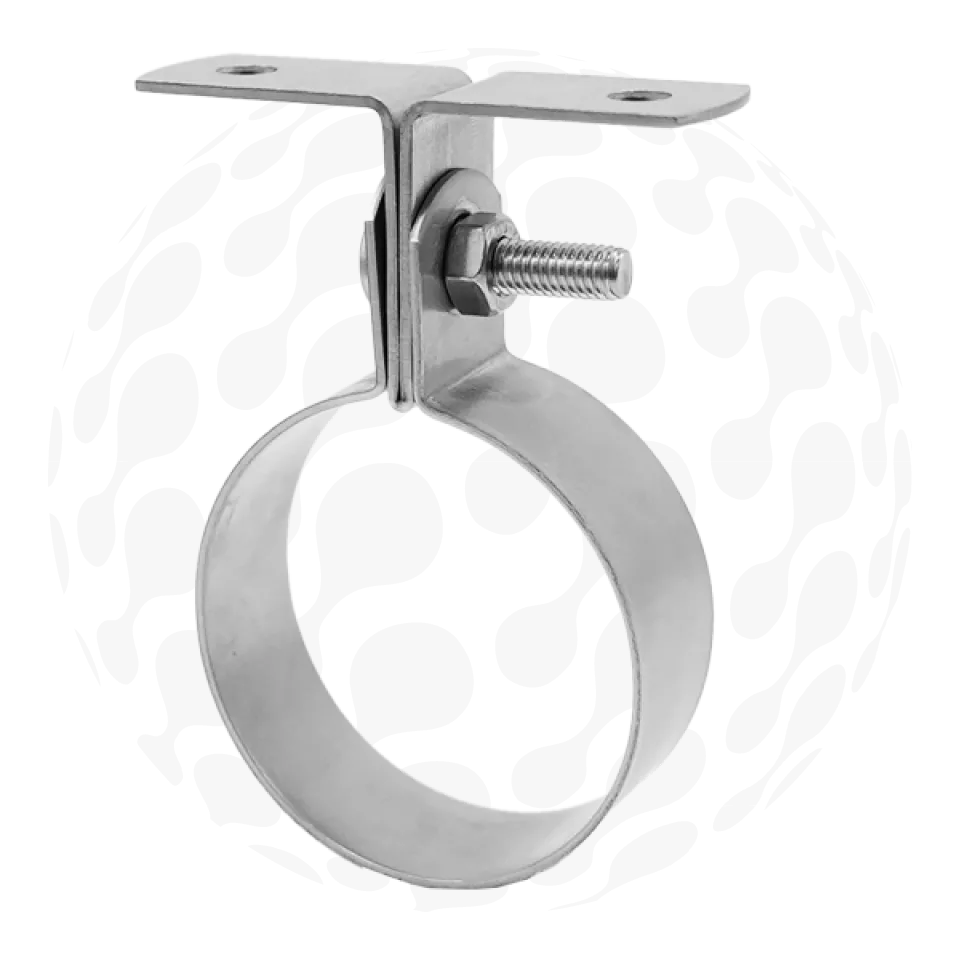
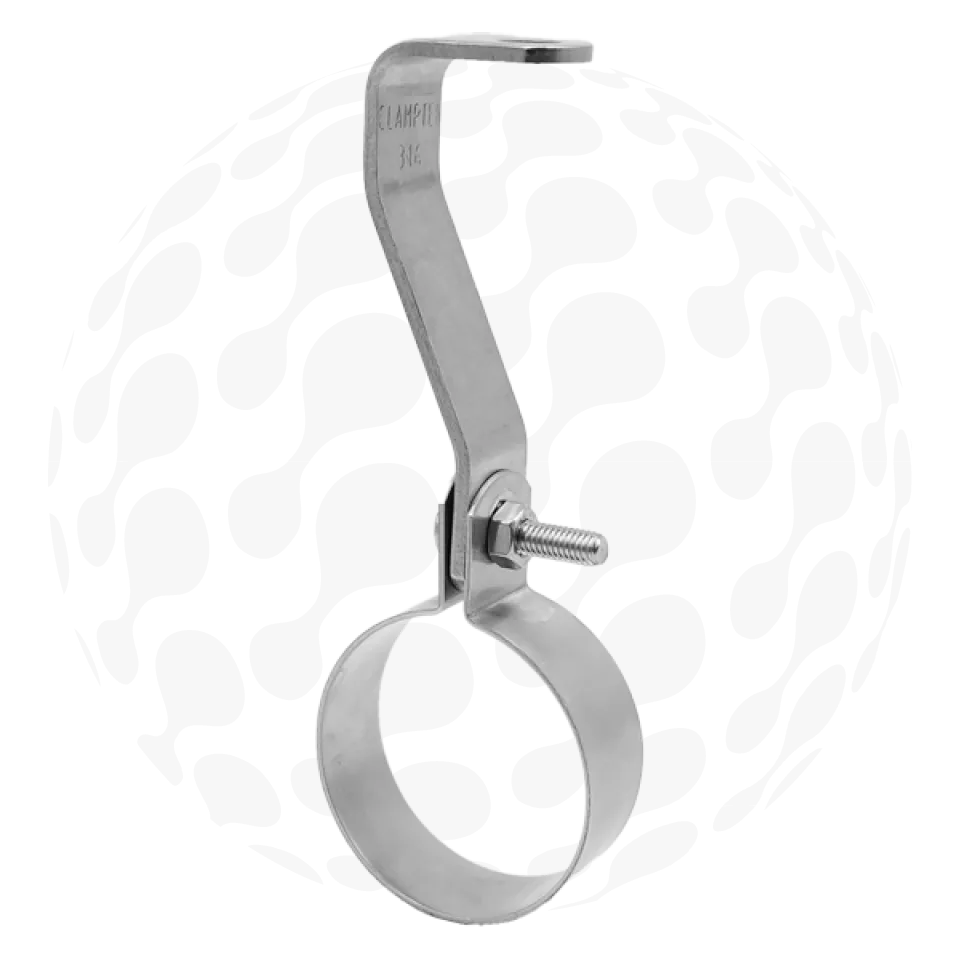
The press fit stainless steel pipe was fully suspended within the ceiling space, requiring careful planning and specialized bracketing. FlexiFlow hoses were integrated to minimize mechanical vibrations and prevent water hammer, ensuring smooth operation. Additionally, the feed line was lagged to maintain a consistent temperature, supporting the efficiency of the cooling system and enhancing the overall performance of the printing process.
The Metal Company was involved in yet another awesome project which featured our RapidPress, innovated by us!
This project involved the installation of 76mm RapidPress cooling water and glycol lines for a printing press in a packaging facility. RapidPress press fittings are made of high-alloyed austenitic stainless Cr-Ni-Mo steel (AISI 316L/1.4404) and marked with the manufacturer name, diameter, DVGW test symbol, and internal code. The press fittings come with a black EPDM seal standardly fitted. These high-quality components are perfect for heating, cooling, compressed air, oil, and diesel lines in various sectors, including food & beverage, industrial, civil, and manufacturing.
The press fit stainless steel pipe was fully suspended within the ceiling space, requiring careful planning and specialized bracketing. FlexiFlow hoses were integrated to minimize mechanical vibrations and prevent water hammer, ensuring smooth operation. Additionally, the feed line was lagged to maintain a consistent temperature, supporting the efficiency of the cooling system and enhancing the overall performance of the printing process.
- RapidPress Inox - Bends & Elbows
- RapidPress Inox - Couplers
- RapidPress Inox - Tees
- RapidPress Inox - Adapters
- RapidPress Inox - Unions
- Flexible Hoses & Bellows
- Clamps & Saddles
- Clip Heads
- RapidPress Inox - Valves
- RapidPress Inox - Flanges
- RapidPress Inox - Seals
- RapidPress Tube
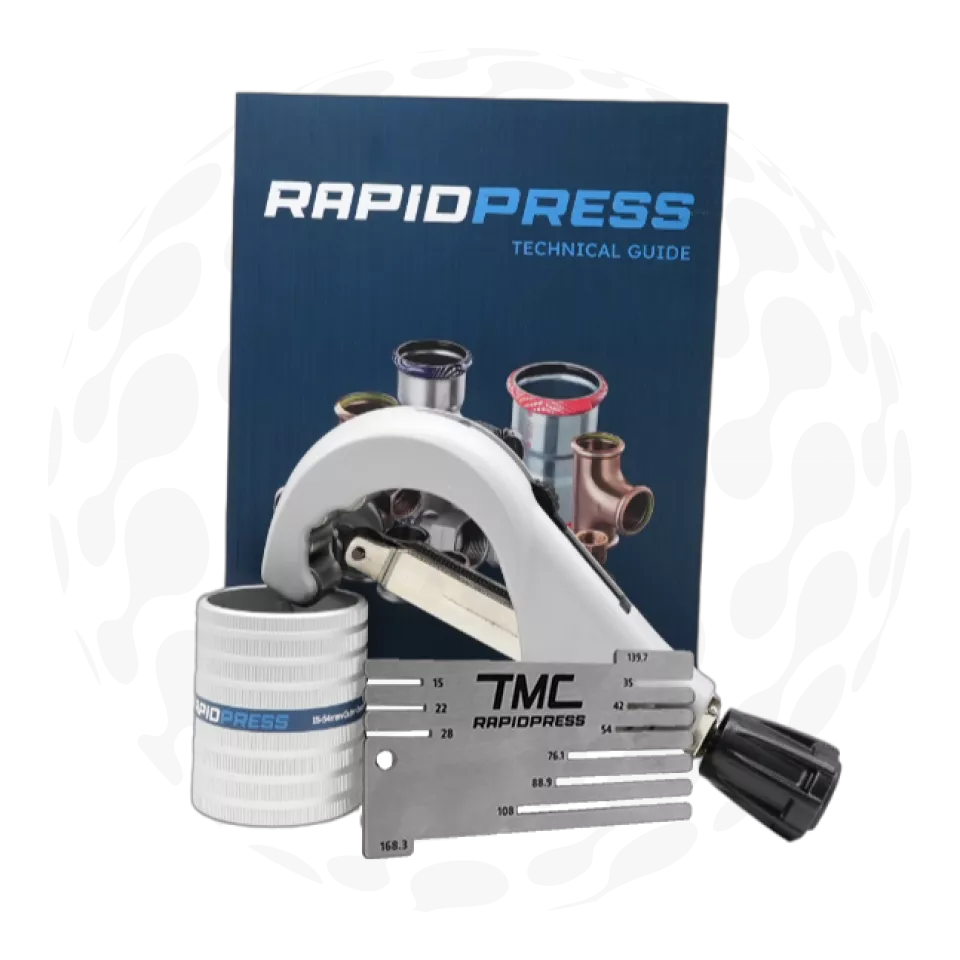
- RapidPress Tools
- RapidPress ACO203 Pressing Tools
- RapidPress ACO203XL Pressing Tools
- RapidPress Tool Parts & Accessories