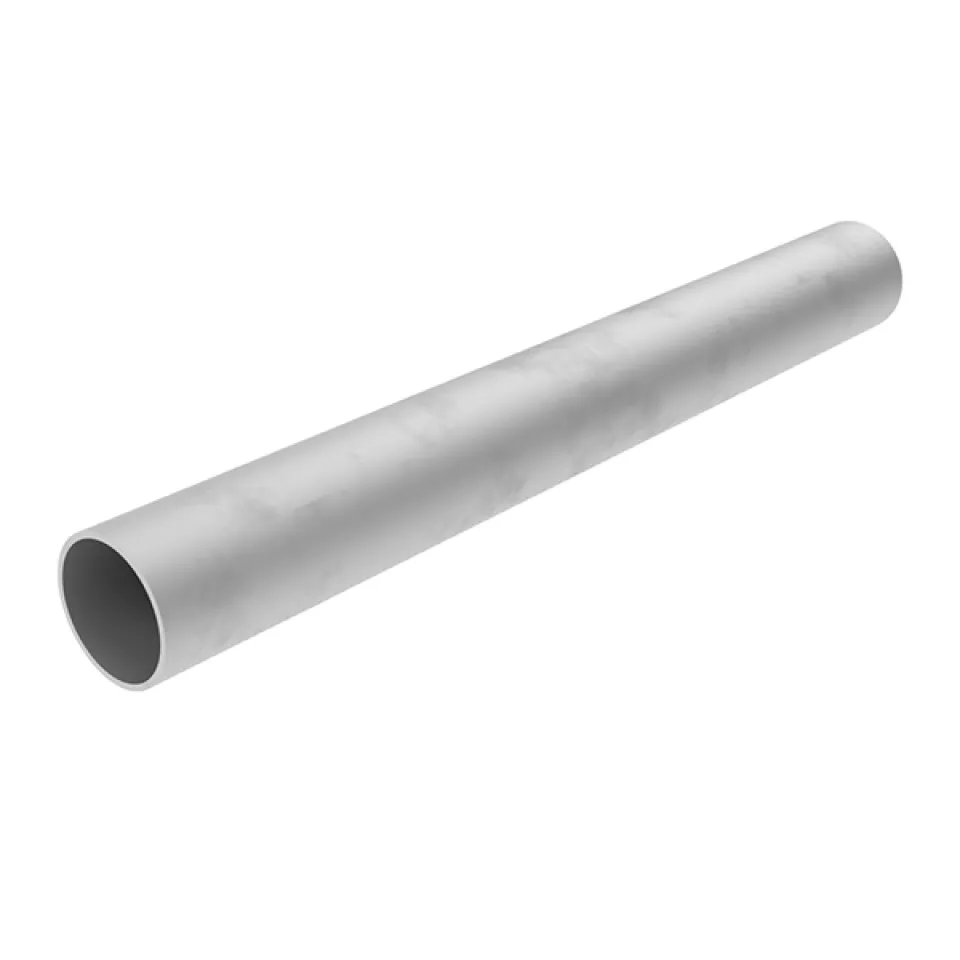
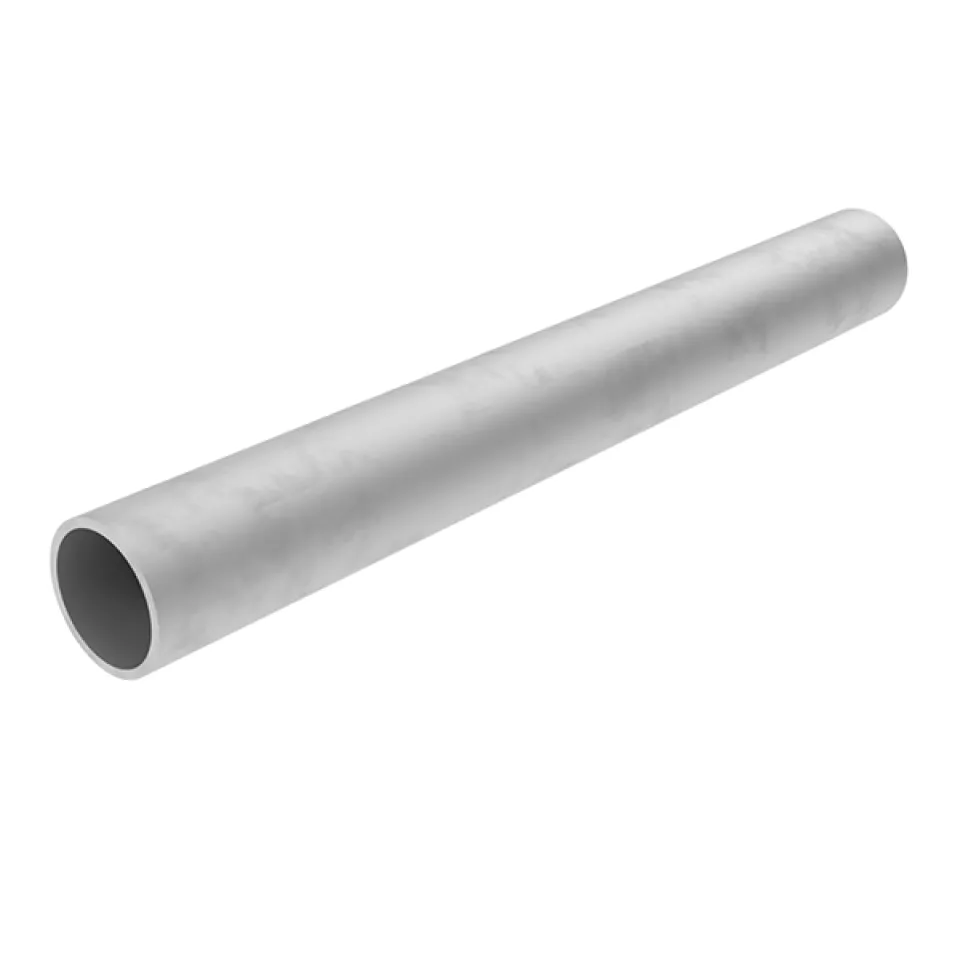
Stainless Steel pipe is commonly used to transport fluids and gases. It is produced in different pipe sizes and has many uses such as in wastewater systems, food & beverage facilities, chemical processing, oil and gas processing, and more.
Stainless steel pipe is non-hygienic as it is hot rolled, which means it is heated up and then rolled through a mill into shape. This leaves it with a rougher surface, which is often dull and referred to as a mill finish. Unlike tube, pipe is always round.
You can tell the difference between pipe and tube due to the wall thickness and surface finish. Pipe is thicker and has a rougher finish than tube.
Pipe sizes are measured by Nominal Bore (NB) and Schedule. The term NB (Nominal Bore) is often used interchangeably with NPS (Nominal Pipe Size). ‘Nominal’ is a non-dimensional number that identifies the internal diameter. The wall thickness of pipe is determined by the schedule.
Stainless Steel pipe is commonly used to transport fluids and gases. It is produced in different pipe sizes and has many uses such as in wastewater systems, food & beverage facilities, chemical processing, oil and gas processing, and more.
Stainless steel pipe is non-hygienic as it is hot rolled, which means it is heated up and then rolled through a mill into shape. This leaves it with a rougher surface, which is often dull and referred to as a mill finish. Unlike tube, pipe is always round.
You can tell the difference between pipe and tube due to the wall thickness and surface finish. Pipe is thicker and has a rougher finish than tube.
Pipe sizes are measured by Nominal Bore (NB) and Schedule. The term NB (Nominal Bore) is often used interchangeably with NPS (Nominal Pipe Size). ‘Nominal’ is a non-dimensional number that identifies the internal diameter. The wall thickness of pipe is determined by the schedule.